
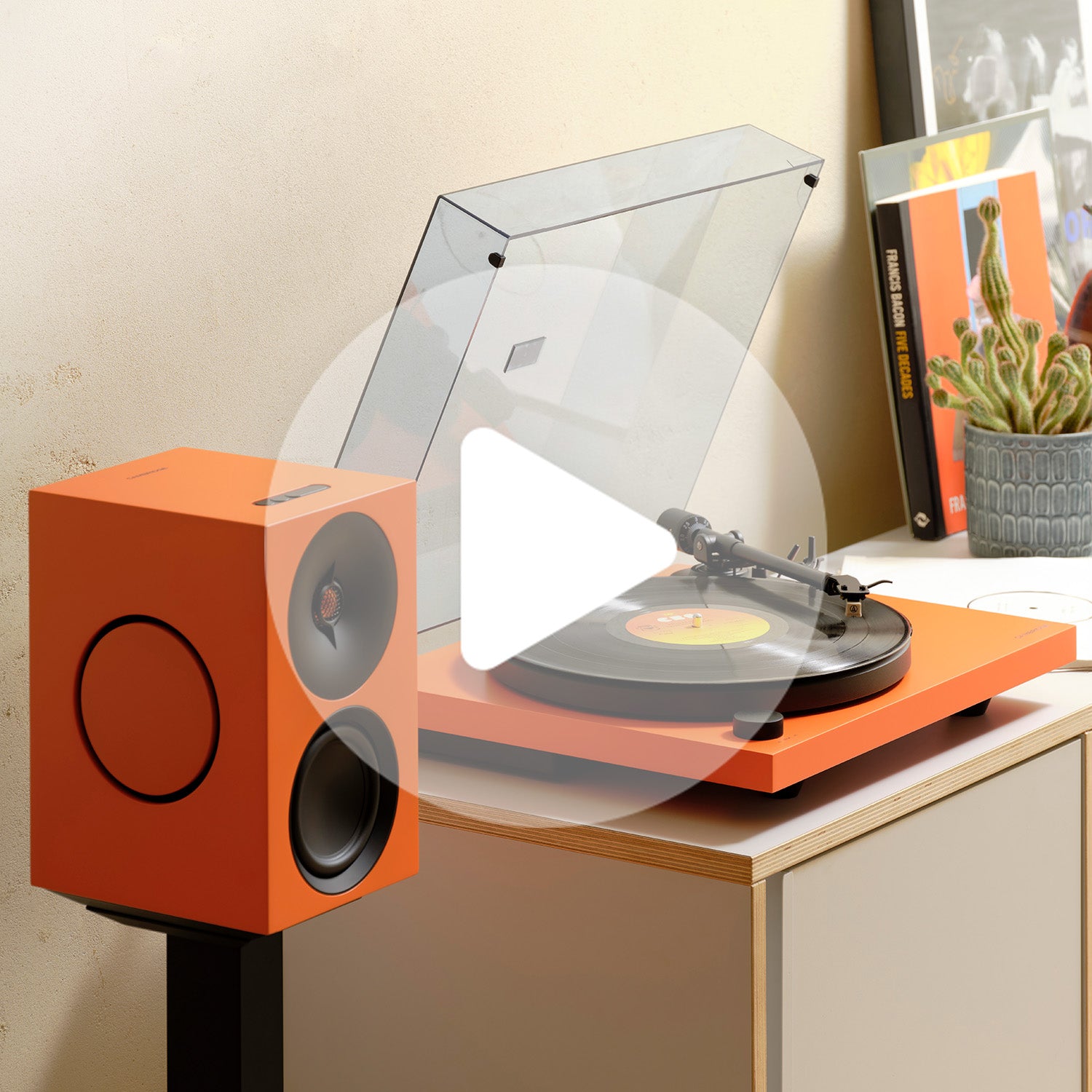
A turntable system is often assembled as a row of objects: deck, amplifier, speakers, record storage. Listening happens somewhere in front of that row, yet the seat is treated as leftover space. Reverse the process. Choose where a person can sit comfortably, then make the system speak clearly to that point.
This is not about chasing a laboratory-perfect room. It is a repeatable way to hear whether the bass is even, the vocal sits in the centre and both speakers contribute equally before another component enters the budget.
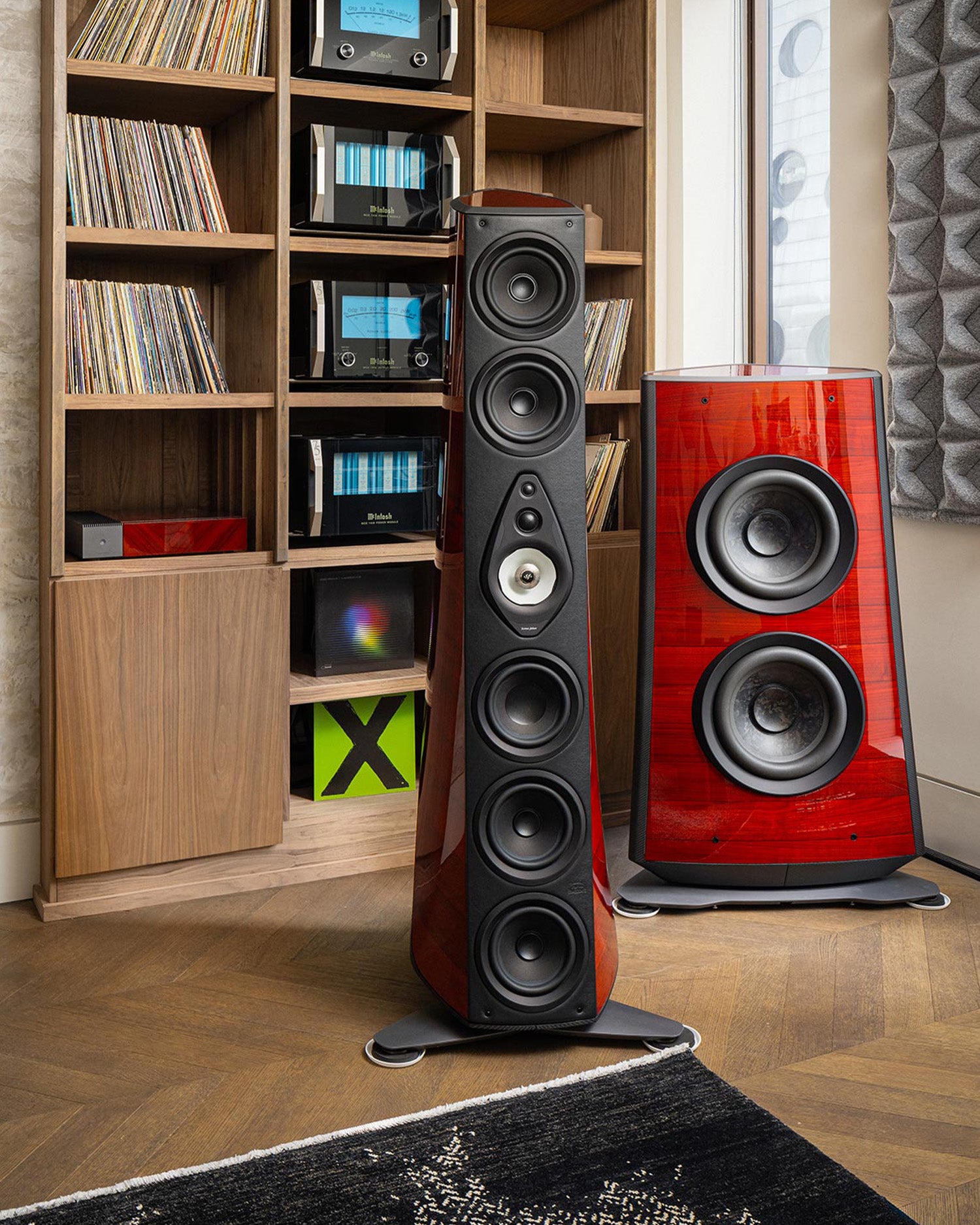
Start where the room allows symmetry
Look for a seat that gives the left and right speakers broadly similar surroundings. One speaker pressed into a corner while the other opens into a hallway will usually produce uneven bass and a drifting image. Exact symmetry is rare, but obvious imbalance is worth reducing.
Begin with the speakers a sensible distance from the rear wall according to their maker’s guidance. Keep tweeters near seated ear height where the design intends it. Measure from the listening position to each speaker, then listen before applying aggressive toe-in. Small angle changes can alter brightness and image focus.
Do not block vents, amplifier cooling or cable paths. Stable stands and furniture matter more than decorative isolation accessories placed on an unsafe surface.
The goal is not a system that photographs as expensive. It is a seat where a familiar record stops pulling noticeably to one side.
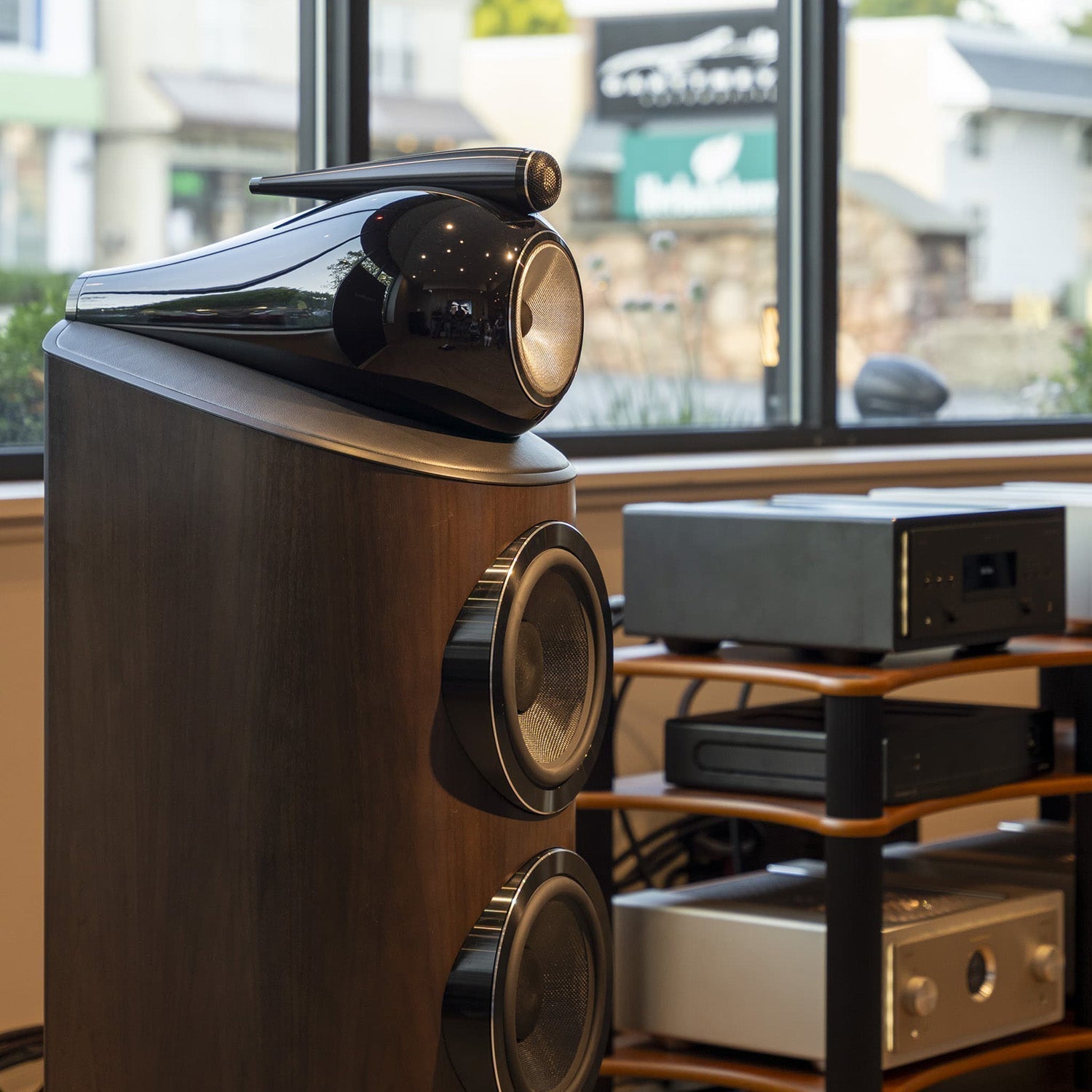
Make the turntable boringly stable
A record player needs a level, rigid surface away from footfall and direct speaker vibration. If walking across the room makes the stylus react, solve the furniture or placement issue before judging cartridges and cables. Keep the deck clear of subwoofer cabinets and unstable shelving.
Confirm that the cartridge, tracking force, anti-skate and phono stage are set according to the equipment manuals. Some amplifiers include a phono input; others require an external stage. “Phono” and a standard line input are not interchangeable. Power down before changing connections, and keep signal cables tidy without pulling them tight.
Clean records and stylus only with methods approved for them. A noisy second-hand pressing is a poor reference for diagnosing the whole system.
Use three records that answer different questions
| Record type | Listen for | Move to try |
|---|---|---|
| Dry, centred vocal | Does the voice sit between the speakers? | Check distance and toe-in. |
| Acoustic bass or kick | Are some notes much larger? | Shift seat or speakers a few inches. |
| Wide, dense arrangement | Can you follow individual parts? | Reduce reflections and recheck level. |
Document the change before buying the change
Put a small piece of removable tape at the starting position. Move one speaker, angle or seat at a time, then replay the same thirty seconds at the same volume. Notes such as “vocal sharper but bass thinner” are more useful than “better.” They preserve the trade-off.
Furniture, rugs, curtains and bookshelves can affect the room, but do not buy acoustic treatment by guesswork. Start with placement and basic reflection control. If a serious system still has a persistent problem, a knowledgeable dealer or qualified installer can help assess the room rather than selling a random object.

Plan the system around the listening seat
Explore current turntables, speakers, amplifiers and expert guidance at World Wide Stereo, then verify compatibility before ordering.
Affiliate disclosure: Music Boats may receive compensation from an eligible purchase through this link. Prices, specifications and availability can change.