
The global stationery market is currently valued at over $24 billion in the United States alone, and a surprisingly large portion of that isn’t spent on pens or paper, but on the protective shells we wrap around them. If you have ever spent forty minutes debating the tactile difference between pebble-grain leather and vegetable-tanned hide, you aren’t just buying a school supply; you are investing in a piece of everyday carry (EDC) gear. I have spent the last decade cycling through dozens of covers, trying to find that elusive balance between protection, pocket utility, and aesthetic longevity. A good cover should outlast the paper inside it by decades.
What are the highest quality leather planner covers for daily use?
When you move beyond the vinyl covers found in big-box stores, you enter the world of artisan leather. In my experience, the leather quality is the single most important factor because it dictates how the cover will age. You want something that develops a patina—a darkening and sheen that comes from the oils in your hands—rather than something that cracks or peels. After testing multiple brands in various environments, from humid coffee shops to dry office buildings, three names consistently stand out for their construction and material quality.
Galen Leather Zip Folio
Galen Leather, based in Istanbul, uses locally sourced vegetable-tanned leather that is famously thick. Their A5 Zip Folio usually retails for around $110 to $130. The standout feature here is the internal organization; it features a removable four-slot pen holder and several pockets for passports or cards. Pro: The leather is incredibly durable and smells like a traditional saddle shop. Con: It is significantly bulkier than a standard cover, making it difficult to fit into smaller messenger bags.
Moterm Luxe Series
Moterm has gained a massive following because they offer high-end features at a mid-range price point, typically between $55 and $85. They use a softer, pebbled top-grain leather that feels broken-in the moment you take it out of the box. Pro: The “Luxe” versions often include a large back pocket (similar to a wallet) which allows you to use the planner as a purse or clutch. Con: The stitching is mass-produced and may not have the same “heirloom” feel as hand-stitched artisan options.
Gillio Firenze Appunto
If you are looking for the absolute peak of European craftsmanship, Gillio is the destination. Their Appunto covers are made from Epoca leather in Italy and can cost anywhere from $250 to $450 depending on the size and leather rarity. Pro: The internal structure is reinforced so it never loses its shape, even after years of heavy use. Con: The price point is a major barrier, and their most popular colors often sell out within minutes of a restock.
How do folio covers compare to zip-around planner organizers?
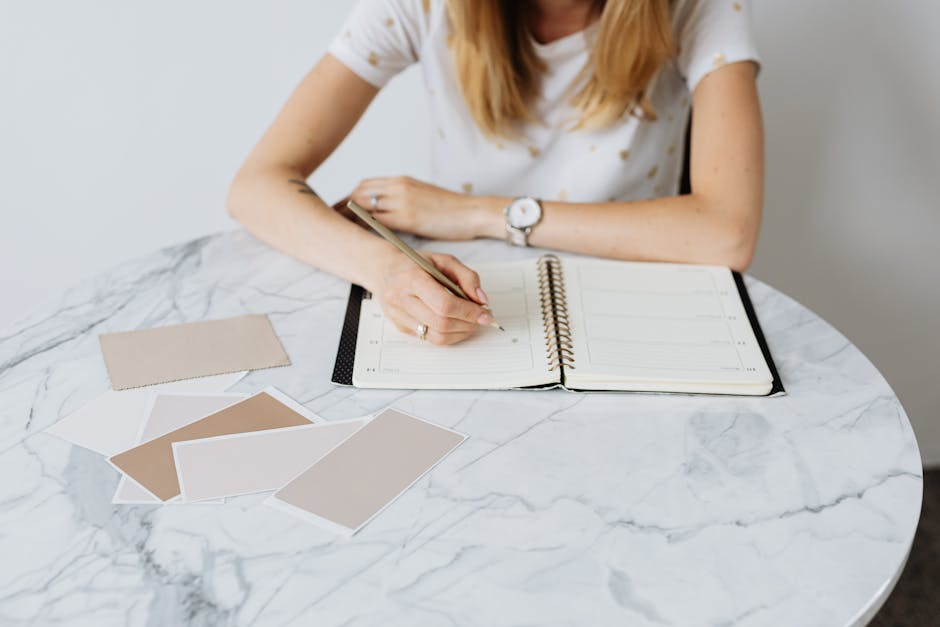
The debate between a simple folio and a zippered organizer usually comes down to how you actually use your planner on a minute-to-minute basis. I have spent months using both styles, and the trade-offs are more significant than they appear on the surface. A folio is essentially a jacket for your book. It has two flaps where you slide the front and back covers of your planner. This keeps the footprint small. If you are someone who likes to keep your planner open on your desk all day, a folio is the superior choice because there are no zippers or bulky edges to get in the way of your hand while writing.
On the other hand, zippered covers are designed for the person who treats their planner like a mobile office. I often find myself stuffing loose receipts, sticker sheets, and even my phone inside my cover. With a folio, those items would inevitably fall out. A zipper provides a level of security that is essential if you travel or commute. However, the zipper itself can be a point of failure. I have seen many cheap covers become useless because the zipper teeth misaligned or the pull tab snapped off. If you go the zipper route, ensure the brand uses YKK zippers, which are the industry standard for durability.
Comparison of Cover Styles and Materials
| Feature | Standard Folio | Zip-Around Organizer | Snap Closure Cover |
|---|---|---|---|
| Bulk Level | Low – fits in slim sleeves | High – requires bag space | Medium – varies by strap |
| Security | Low – items can slide out | Maximum – fully enclosed | Moderate – keeps book shut |
| Writing Comfort | High – lays flat easily | Moderate – zipper can bump wrist | High – strap usually folds back |
| Average Price | $40 – $150 | $80 – $250 | $50 – $180 |
A planner cover is the only piece of stationery that actually gets better the more you mistreat it. While a fresh notebook is intimidating, a scuffed leather cover feels like an invitation to work.
Is a luxury designer planner cover a better investment than artisan handmade options?
Many people gravitate toward high-fashion houses like Louis Vuitton or Hermès for their planner covers. The Louis Vuitton Large Ring Agenda or the Desk Agenda (A5 size) typically costs between $500 and $800. When you pay this premium, you are paying for two things: the brand prestige and the resale value. Unlike a generic leather cover, a Louis Vuitton agenda in good condition can often be resold on the secondary market for 70-80% of its original retail price. If you view your stationery as a liquid asset, the designer route has a logical appeal.
However, from a purely functional and material standpoint, artisan covers often outperform designer ones. Many luxury brands use “coated canvas” (which is essentially high-grade plastic-coated fabric) rather than solid leather. While durable, it will never develop the character of a full-grain leather piece from a maker like Chic Sparrow. Chic Sparrow uses thick, rustic leathers that show every scratch and mark, which many long-term users—myself included—prefer. Their covers range from $60 to $160 and offer a variety of “pockets” and “stitching” configurations that designer brands simply don’t provide.
Chic Sparrow B6 Slim / A5 Covers
Chic Sparrow is the go-to for the “Traveler’s Notebook” style but they also make fantastic folios. Pro: You can choose your specific piece of leather from their “Unique” section in some cases, ensuring you like the grain pattern. Con: Their leather can be very floppy; if you prefer a stiff, rigid cover that supports your writing while you’re standing up, this isn’t the brand for you.
The Louis Vuitton Desk Agenda
This is a classic slip-cover for A5 notebooks. Pro: It is incredibly slim and fits into professional environments perfectly without looking “crafty.” Con: It lacks a pen loop. For a cover that costs over $600, having to carry your pen separately is a significant design oversight that I’ve found frustrating in daily use.
Selecting the right material for your environment
Your choice of material should be dictated by where you spend your time. If you are a student or someone who works outdoors, leather might actually be a liability. Rain and spilled coffee can ruin vegetable-tanned leather if it isn’t treated immediately. In these cases, I suggest looking into Cordura or high-end synthetic covers. Brand like Lihit Lab make functional, multi-pocket covers out of industrial-grade nylon for around $20 to $35. They aren’t as beautiful as leather, but they are indestructible and can be tossed into a washing machine if needed.
For the office professional, chrome-tanned leather is often the sweet spot. Unlike vegetable-tanned leather, which changes color significantly, chrome-tanned leather (like that used by Bellroy) stays the same color for its entire life. It is more resistant to water and stains. Bellroy’s Work Folio A5 retails for about $159 and features a very modern, tech-focused interior with space for a tablet and cables. Pro: It looks sleek and minimalist. Con: The leather is very thin and lacks the “soul” of thicker, artisan-made hides.
How to Maintain Your Cover for Longevity
- Clean it regularly: Use a damp (not wet) microfiber cloth to wipe away dust and skin oils once a month.
- Condition the leather: Every six months, apply a tiny amount of Smith’s Leather Balm or Venetian Shoe Cream. This prevents the fibers from drying out and cracking.
- Avoid direct sunlight: Leaving your cover on a car dashboard or near a window will bleach the leather and make it brittle.
- Rotate your inserts: If your cover feels too tight, don’t force a thicker notebook into it. Leather stretches, but it doesn’t always shrink back perfectly.
Ultimately, the best cover is the one that removes the friction between you and your planning. If you find yourself leaving your planner at home because the cover is too heavy, it doesn’t matter how expensive the leather was. I have found that I prefer a medium-weight folio for my desk and a rugged, zippered Galen Leather folio for when I’m traveling. It isn’t about finding one cover to rule them all, but about finding the one that fits the specific rhythm of your current life. Whether you choose a $20 nylon sleeve or a $700 designer agenda, the goal remains the same: protecting the thoughts and schedules that keep your life moving forward.