
You typed “relationship counselling dublin” into Google at 2am. Not because you want a directory listing. Because something in your relationship feels like a song played in the wrong key — you can’t name it, but you can hear it. Here’s the thing most advice columns won’t tell you: the music you and your partner argue about, avoid, or secretly listen to alone is often the most honest data you have about the relationship itself.
This isn’t about making you a playlist and calling it therapy. It’s about understanding why couples in Dublin — and everywhere else — keep hitting the same wall, and what the research on music, attachment, and conflict actually shows.
What “Relationship Counselling Dublin” Actually Means as a Search
When someone searches for relationship counselling in Dublin, they’re usually not at the browsing stage. They’re at the “we’ve had the same fight four times this month” stage. The search itself is a signal: one partner has already decided something needs to change, and they’re looking for external validation or a concrete next step.
The problem is that most search results give you a list of clinics in Rathmines, Dun Laoghaire, or city centre. That’s navigational content. What you actually need is informational: how do I know if this is fixable? What does a session actually look like? And why do I feel more connected to my partner when a specific song plays than when we’re sitting across from each other at dinner?
The Hidden Question Behind the Search
Nobody searches for counselling because things are going well. The hidden question is usually one of these:
- “Am I overreacting, or is this actually a problem?”
- “Can this be fixed without admitting I was wrong about everything?”
- “Will a stranger actually understand what’s happening between us?”
Music enters this space because it bypasses the verbal defences couples build. You can’t rationalise your way out of a song that makes you cry in the car. That’s the gap counselling tries to bridge with words — and often fails to.
The Music Compatibility Myth That’s Ruining Relationships

There’s a persistent belief that couples need shared music taste to work. It’s nonsense. The research on music preference and relationship satisfaction shows something far more interesting: it’s not about liking the same bands. It’s about how you respond when your partner plays something you hate.
Think about it. Your partner puts on a trad session recording from The Cobblestone in Smithfield. You’d rather listen to drill. What happens next is a microcosm of your entire relationship. Do you mock it? Do you silently endure it while resenting them? Do you ask what they love about it? That third response — curiosity instead of judgment — predicts relationship stability better than any shared playlist ever could.
What the Gottman Research Actually Shows
John Gottman’s research at the University of Washington identified what he calls “bids for connection.” These are small moments where one partner reaches out — a comment, a touch, a song played. The response to that bid determines the relationship’s trajectory. Couples who stay together respond positively to bids 86% of the time. Couples who divorce respond positively 33% of the time.
Music is a bid. When your partner says “listen to this,” they’re not asking for a music review. They’re asking: do you see me? Do you care about what moves me?
What Actually Happens in a Dublin Counselling Session
If you do book a session — and sometimes you should — here’s what to expect. Most Dublin practitioners use an integrative approach, blending person-centred therapy with structured methods like the Gottman Method or Emotionally Focused Therapy (EFT). A first session typically runs 50-90 minutes and costs between €70 and €120.
The counsellor will not take sides. That’s the first thing couples get wrong. They arrive expecting a referee. They get a translator. The counsellor’s job is to slow down the conversation, name the patterns, and help each person hear what the other is actually saying underneath the complaint.
Questions You’ll Be Asked
Expect some version of these:
- “When did you first notice things changing?”
- “What does a good day look like in this relationship?”
- “What do you each do when you feel disconnected?”
Notice what’s missing: “Who’s right?” That question doesn’t exist in competent counselling. The focus is on the pattern, not the perpetrator.
When NOT to Book Relationship Counselling
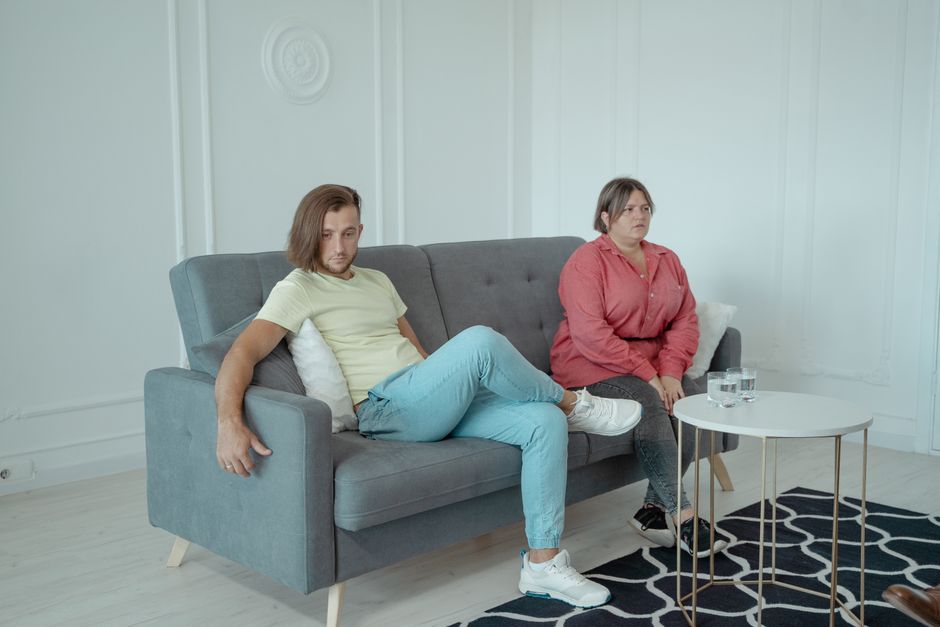
Here’s the part most articles skip. Counselling is not always the right move. If there’s active abuse, coercive control, or addiction that’s being denied, couples counselling can actually make things worse. It gives the controlling partner new language to manipulate. In those cases, individual therapy or a domestic violence service like Women’s Aid (1800 341 900) is the correct first step.
Also, if one partner is already checked out and just wants the counsellor to deliver the breakup for them, you’re wasting €100 a session. Be honest about why you’re going. If it’s to say you tried, that’s not a therapeutic goal.
The Timing Problem
Most couples wait six years too long to seek help. Six years of resentment, failed bids, and silent car rides. By the time they sit on the counsellor’s couch, the patterns are calcified. Earlier is better. If you’re searching at 2am, that’s early enough. Book the session this week, not after the next fight.
What Music Reveals That Words Hide
This is where the Dublin music scene becomes relevant. The city has a specific musical identity — from buskers on Grafton Street to late sets at Whelan’s to the trad sessions that tourists photograph but locals actually attend. Couples in Dublin have a soundtrack to their relationship whether they know it or not.
Ask yourself these questions:
- What song was playing when you first met?
- What album did you both love in the first year?
- What music does your partner play when they’re stressed?
- What song do you skip when they’re not in the car?
That last question matters most. The song you skip is a boundary. The song you only play alone is a hiding place. Neither is wrong. But both are information.
The Attachment Playlist Exercise
Here’s a practical exercise that costs nothing and takes 20 minutes. Each partner picks three songs: one that reminds you of the beginning, one that represents a hard time, and one that you hope describes the future. Then you play them for each other. No commentary during. Just listen. Then talk about what you heard.
This works because it externalises feelings that are too raw to say directly. You can’t say “I miss who we were” without starting a fight. But you can play a song from that first summer and let it say it for you.
The Cost of Not Addressing It

Relationship breakdown is expensive. Financially, emotionally, logistically. The average cost of a Dublin divorce runs between €10,000 and €30,000 in legal fees alone. That’s before you factor in housing, child arrangements, and the emotional toll that shows up in your work, your health, your sleep.
Compare that to six months of counselling at €100 a session. That’s €2,400. Even if it doesn’t save the relationship, it saves you the years of wondering whether you did everything you could.
But the cost isn’t just financial. Unresolved relationship stress shows up in cortisol levels, immune function, and cardiovascular health. The research on marital conflict and health outcomes is unambiguous: staying in a high-conflict relationship without intervention is worse for your body than smoking.
What to Do This Week
Stop searching and start doing. Here’s the sequence that actually helps:
- Tell your partner you’ve been thinking about counselling. Not as a threat. As a statement: “I want us to work, and I think we need help.”
- Book a session. Not three. One. See how it feels. If the counsellor isn’t a fit, try another. Fit matters more than qualifications.
- Do the attachment playlist exercise before the first session. It gives you material to work with.
- If your partner refuses, go alone. Individual therapy can help you decide what you need, with or without them.
The single most important takeaway is this: the search for “relationship counselling dublin” is already the first step — but it only counts if you take the second one.