
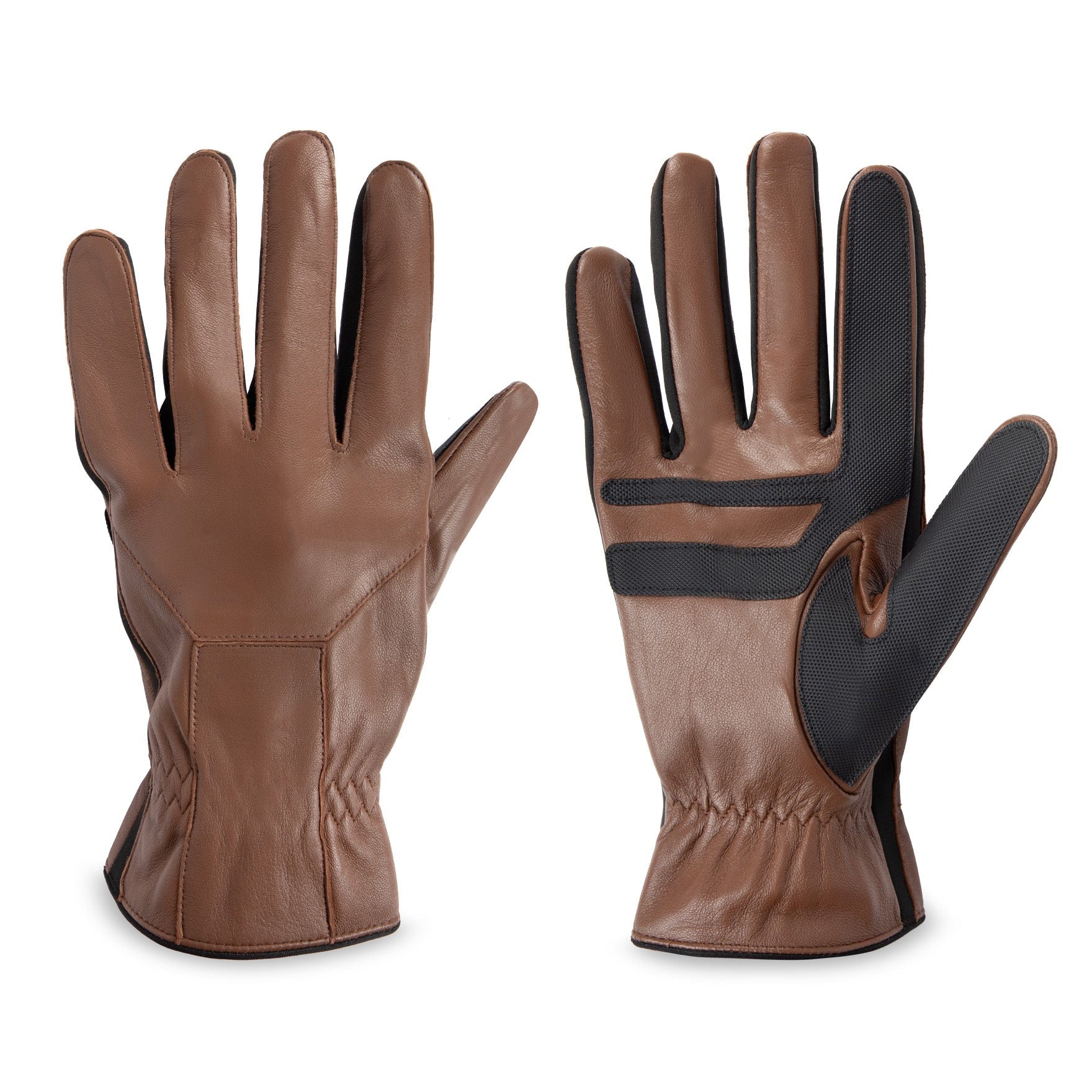
Cold fingers are not fixed by arriving early and playing harder. The useful approach is to protect warmth on the journey, keep dexterity during setup and allow enough time for the hands—and the instrument—to adjust indoors.
Choose gloves for the jobs between music
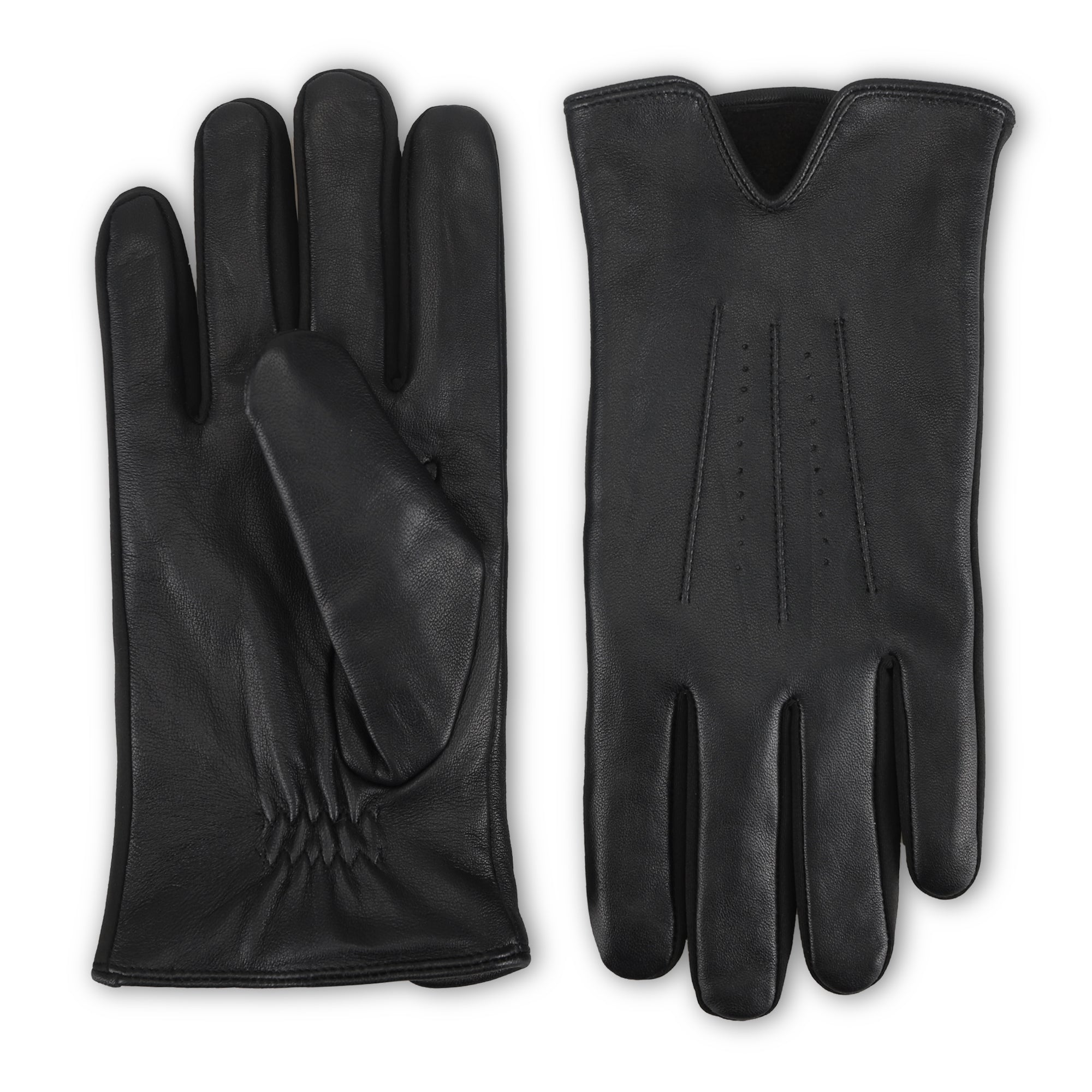
A rehearsal commute includes more small tasks than it seems: unlocking a case, carrying a stand, checking a map, tapping a travel card and handling cold metal door furniture. Thick insulation may be excellent for waiting outside but clumsy for everything else. A stretch glove or touchscreen-compatible design can reduce the number of times the hand is exposed, but touch performance varies by device, fit and weather.
Do the practical test at home. Put on the gloves and zip the instrument case, operate the phone, pick up a cable end and turn a key. If the fingers swim inside the glove or a cuff fights the coat sleeve, that problem will grow in the dark. Review the current Isotoner size chart and product description because materials and features differ across styles.
The two-glove idea
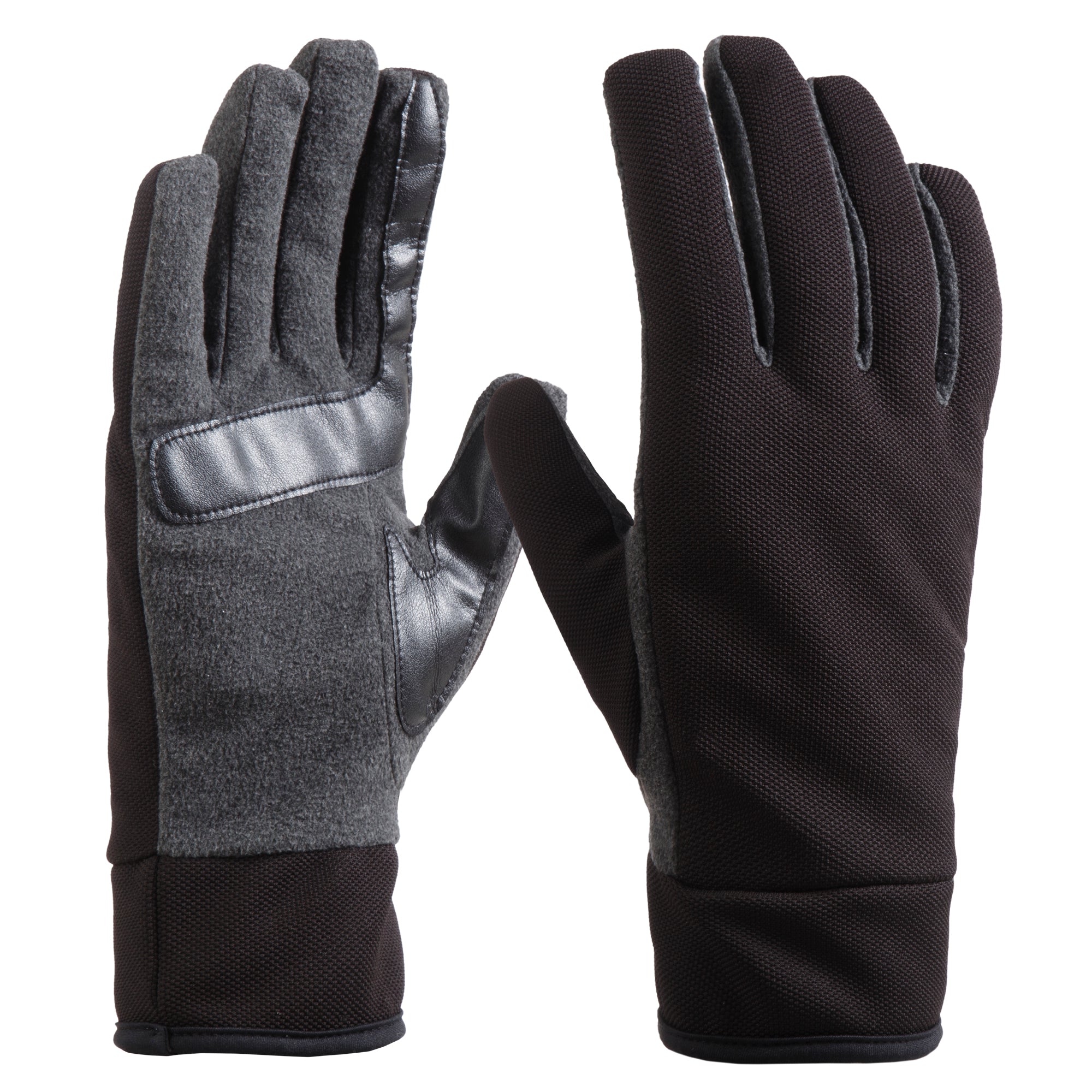
For a long outdoor wait, a thin dexterous pair can sit inside a warmer outer layer. Remove only the outer pair for setup. The system is useful when each layer fits without compressing circulation.
Protect the instrument from the same temperature swing
Do not treat warm hands as permission to rush a cold instrument into hard playing. Wood, finishes, strings, reeds, pads and electronics respond differently to temperature and condensation. Keep the instrument in its case during the journey and follow its maker’s guidance for acclimating indoors. Wipe moisture only with the appropriate cloth and method. A guitar case beside a radiator is not a shortcut.
Use the arrival window for quiet setup: place the case securely, remove the coat, wash or warm the hands gradually, and let the room do its work. Avoid very hot water on numb fingers. Gentle movement and time are safer than forcing a stretch. Musicians with circulation conditions or recurring pain should follow their clinician’s advice rather than a generic routine.
Match the cuff to the coat, not the product photograph
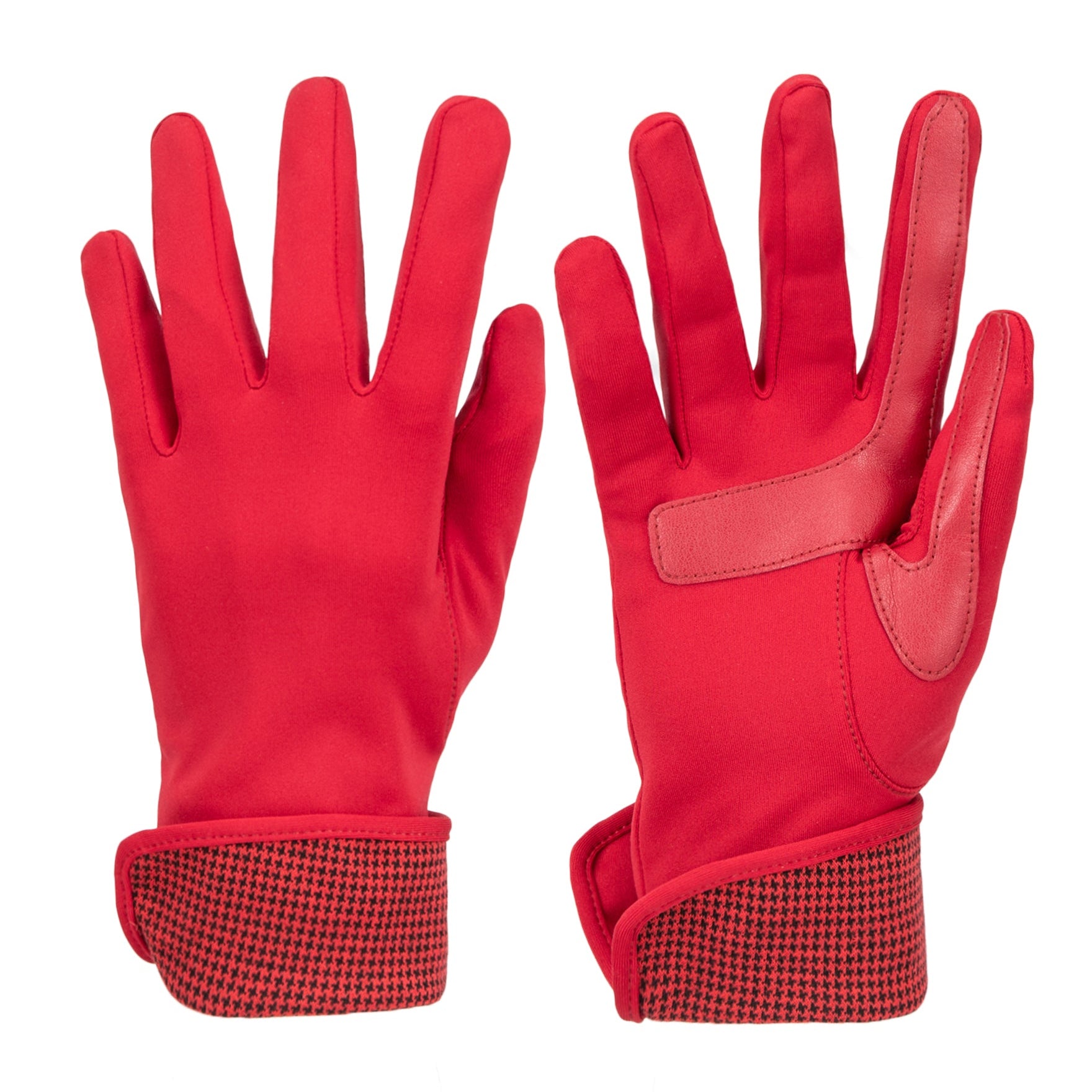
A short cuff can disappear neatly under a fitted sleeve; a longer one can close the gap beneath a looser coat. Gathered, ribbed and extended cuffs each behave differently with watches and wristbands. Try the complete outerwear combination. If the sleeve pushes the glove down every time you lift a case, warmth will leak at the exact moment the arm is occupied.
Water resistance is also specific, not universal. A product described as water repellent is not automatically intended for prolonged rain. Confirm the live care instructions, dry gloves away from damaging heat, and give them air between journeys. A spare dry pair in the music bag can be more useful than a single heavy pair that stays damp.
Build the cold-route kit around real tasks
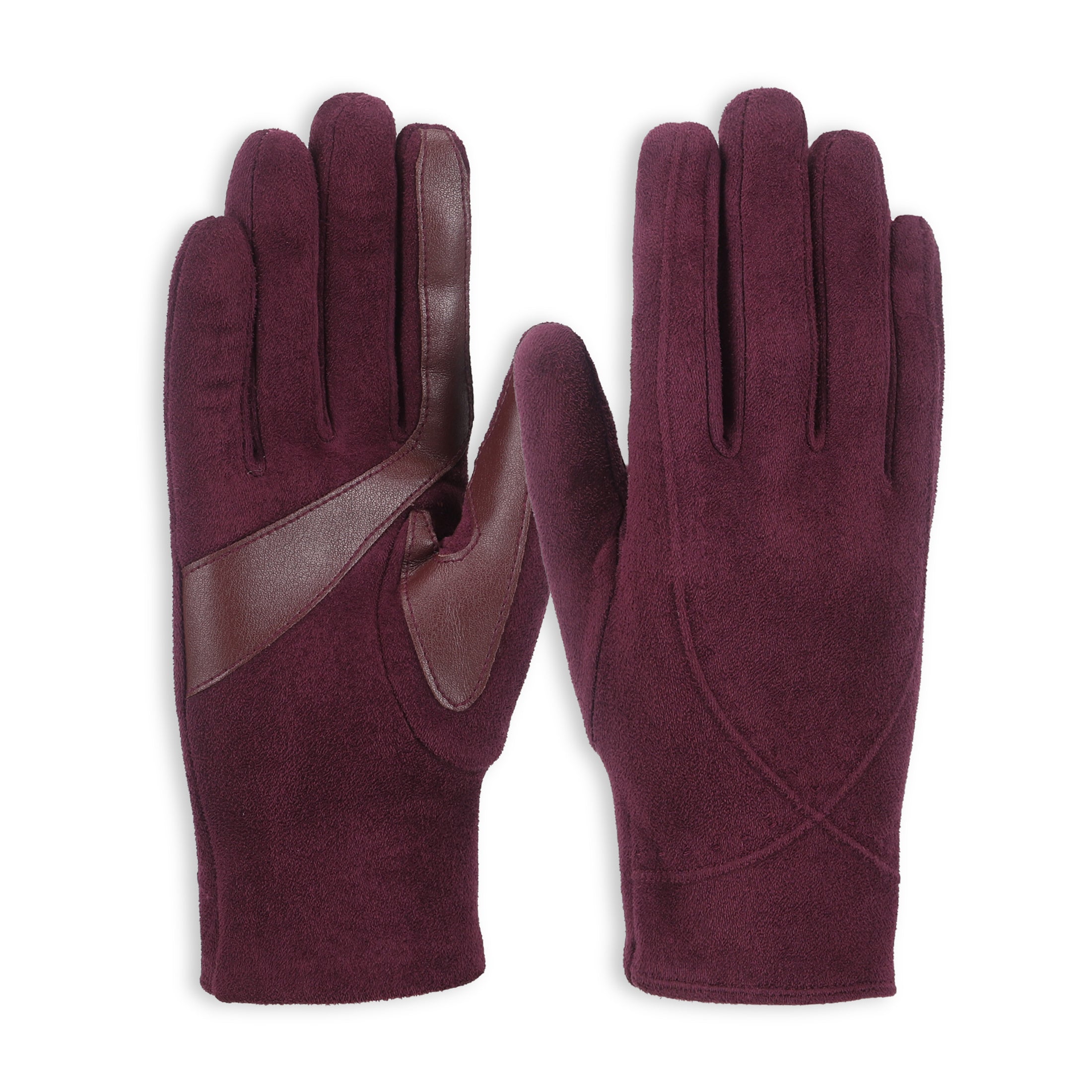
Compare current Isotoner glove fits, cuff styles, touchscreen details and care guidance before the next rehearsal commute.
Affiliate disclosure: Music Boats may receive compensation from an eligible purchase through this link. Verify current product details and availability with the merchant.