
You drop a Sim into a charming little farmhouse in Henford-on-Bagley, add the Simple Living lot trait, and then watch your Sim stand in front of a stove unable to cook anything. The fridge is empty. The recipes are grayed out. Nothing makes sense.
That confusion is almost a rite of passage. Simple Living is one of the most misunderstood lot traits in The Sims 4 — players either click with it immediately or abandon it after one frustrating session. Here is exactly how it works, where it performs best, and when to leave it off the lot entirely.
What the Simple Living Lot Trait Changes About Cooking
The core change is this: Sims living on a lot with Simple Living active can no longer cook meals from nothing. Every recipe that qualifies as a cooked meal now requires specific fresh ingredients to be present in the household — in the fridge, in a storage chest, or in the Sim’s personal inventory.
If the ingredients aren’t there, the meal doesn’t appear as an option. It grays out completely. Your Sim doesn’t fail to cook it — they simply cannot select it at all.
This sounds like pure punishment. In practice, it reshapes the entire rhythm of a household. Instead of treating the fridge as a magical portal that produces any meal on demand, you start thinking about what your Sim grows, raises, forages, or purchases. That shift in mindset is the point. Simple Living isn’t a difficulty slider — it’s a playstyle enforcer.
How the Ingredient System Actually Works
The game tracks which ingredients are available in real time. Each recipe has a hidden list of required items. A garden salad needs lettuce and tomatoes. Pancakes need milk and eggs. Eggs benedict needs eggs, cheese, and produce. When those specific items are present, the recipe unlocks.
The system checks the household fridge first, then storage items nearby, then the Sim’s personal inventory. Order of priority matters if you’re using off-the-grid lots or custom storage mods. On standard lots, keep the fridge stocked and you’re covered.
One important clarification: cooking skill is completely separate from this system. A Level 10 Chef Sim with an empty fridge is still locked out of complex recipes. The trait doesn’t cap skill growth — it limits what you can cook based on available resources. A high-skill Sim with a well-stocked garden will cook exceptional meals. A high-skill Sim with no ingredients is just frustrated.
Which Foods Are Not Affected
Not every food item in The Sims 4 requires ingredients under Simple Living. Quick snacks — things like chips, protein bars, and vending machine items — remain accessible regardless. Sims won’t hit a literal starvation wall just because the fridge is bare.
The meals most impacted are the sit-down cooked options: breakfast foods, lunch plates, dinner entrees. These fill the hunger bar most efficiently and are the backbone of a Sim’s daily eating routine. When those are unavailable, Sims survive on snacks — which work, but keep hunger dropping faster, creating constant low-level pressure on the household.
Pre-packaged grocery items and some café-style foods also bypass the restriction. The design intent is clear: Simple Living pressures you toward fresh cooking without making the game unplayable when resources are thin.
Which Pack Includes Simple Living

Simple Living is a Cottage Living exclusive. It shipped with the expansion pack released in July 2026 and does not exist in the base game or any other pack. If Cottage Living isn’t installed, the trait won’t appear in your lot menu at all.
No workaround exists through standard gameplay. Mods can replicate the mechanic, but the official lot trait requires the expansion. If you own Cottage Living, it’s available immediately — no unlock required. Open lot traits in Build/Buy mode, select the lot, and add it from the list.
Where Each Ingredient Comes From
The practical question with Simple Living isn’t whether you understand it — it’s whether you can sustain it. Here’s a breakdown of ingredient sources, what they produce, and how reliable they are as long-term supply chains for a Sim household.
| Source | Ingredients Provided | Reliability |
|---|---|---|
| Home garden (Gardening skill) | Vegetables, fruit, herbs | High — consistent with daily maintenance |
| Chickens (Cottage Living) | Eggs, feathers | High — daily production |
| Cows (Cottage Living) | Milk, cheese, butter | High — daily production |
| Grocery delivery (phone order) | All categories | High — costs Simoleons per order |
| Henford-on-Bagley village market | Eggs, produce, dairy | Medium — requires travel time |
| Foraging (Henford-on-Bagley) | Mushrooms, berries, herbs | Medium — seasonal and random |
| Fishing (any water lot) | Fish varieties | Low to Medium — skill dependent |
| Wild rabbits and foxes (Cottage Living) | Vegetables (gifted occasionally) | Low — passive and unpredictable |
The most sustainable setup for a Simple Living household: a mid-size garden with tomatoes, lettuce, and garlic; two to three chickens; and one cow. That combination covers roughly 80 to 85 percent of recipe requirements without any grocery spending.
Grocery delivery through the phone is the backup option. It costs around 200 to 500 Simoleons per order depending on what you select, which is manageable for most households but adds up on budget saves. The Henford-on-Bagley village market is cheaper but requires your Sim to physically travel there, which costs in-game time and energy.
When ingredients are consistently plentiful, Simple Living unlocks some of the most satisfying gameplay moments in Cottage Living. A Sim who raised the chickens, gathered the eggs, grew the tomatoes, and cooked an Eggs Florentine for the household is doing something no other lot trait produces. The chain from animal care to plate is genuinely rewarding once you’ve built the supply system to support it.
The Lot Types Where Simple Living Makes Sense
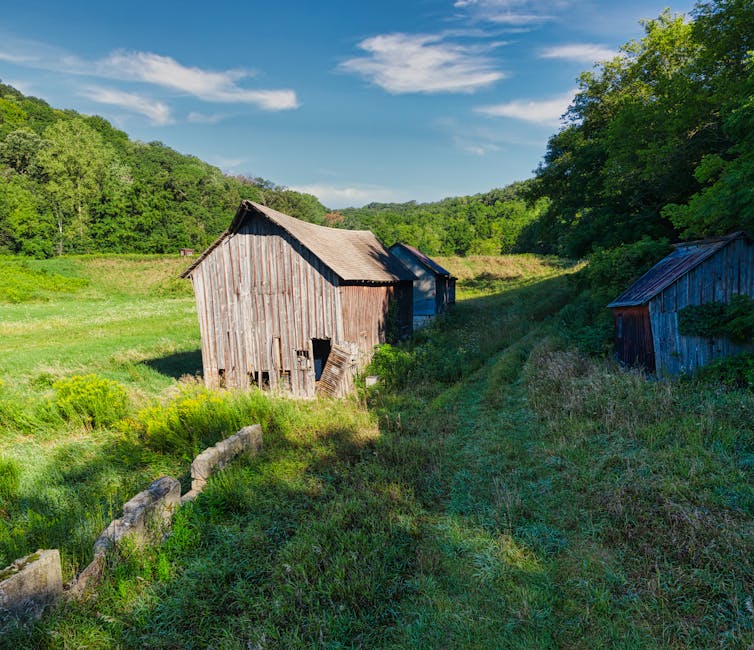
Simple Living does not work equally well on every lot. The trait was built with one specific playstyle in mind, and lots that don’t support that playstyle turn it into pure friction.
Here’s where it actually works:
- Residential lots in Henford-on-Bagley — This is the natural home for Simple Living. The world was designed around ingredient sourcing. The village market, foraging zones, animal pen lots, and community garden are all accessible from any residential address. The entire map feeds into the Simple Living loop.
- Large rural lots with outdoor space — Any world works if the lot has room for a garden and a small animal area. Lot size is a real constraint. Cramped starter lots rarely have enough space for both a vegetable garden and chickens, which is what you need to make Simple Living sustainable long-term.
- Off-the-Grid builds — Simple Living and the Off-the-Grid lot trait are a natural pair. Both push toward self-sufficiency. Running them together on a large countryside lot creates a genuinely challenging survival-style gameplay loop that most Sims 4 content doesn’t replicate.
- Challenge runs and legacy saves — Rags to Riches, Not So Berry, and Cottage Living-specific challenges often use Simple Living as a difficulty modifier. It forces resource planning in a way casual play doesn’t, and it makes early-game poverty feel meaningfully harder without becoming impossible.
Where it fails: apartments, high-rise city lots, and any build without outdoor planting space. Placing Simple Living on a San Myshuno penthouse is technically allowed and practically miserable. Your Sim ends up relying entirely on grocery deliveries with no farming loop to offset the cost or add gameplay texture.
Indoor planters exist and can partially offset the lack of outdoor space. You can grow herbs and some vegetables inside. But they won’t replace a full garden’s output for a household cooking three meals a day. If the lot doesn’t have room for meaningful growing space, the trait isn’t a good fit.
Questions Players Get Wrong About Simple Living
Does Simple Living Work Without the Cottage Living Expansion?
No. The trait requires Cottage Living to be installed. It won’t appear in the lot traits panel without the pack. Community mods — available through Mod the Sims or discussed on Carl’s Sims 4 Guide — can add similar cooking restrictions or expand the existing ingredient list, but the base game version of Simple Living is Cottage Living-only. There is no workaround in vanilla play.
Can Sims Starve If Ingredients Run Out?
Not easily. Sims fall back on snacks and quick meals when cooked food isn’t available, which means hunger depletes faster but not catastrophically. Death by starvation requires deliberate neglect — the game has enough fallback food options to prevent accidental death. That said, the gameplay quality drops noticeably when the fridge goes bare for more than a day or two. The urgency it creates is actually one of the trait’s more interesting effects: you find yourself checking the garden and planning grocery runs in a way standard Sims households never require.
Does It Affect Sims When They Visit Other Lots?
No. Simple Living is tied to the residential lot, not the Sim. When your Sim visits a restaurant, a neighbor’s house, or any community lot, the restriction doesn’t follow them. They can order or eat freely anywhere outside their home address. Sims in the Culinary career cooking at their workplace are also unaffected — the trait governs the home kitchen only.
Do Mods Change How It Behaves?
Some do. Gameplay overhaul mods frequently touch the cooking system, and if they adjust ingredient requirements or recipe availability, they can interact unexpectedly with Simple Living. Basemental Mods is focused on different systems but has been known to create lot trait conflicts in specific version combinations. If you’re running a heavily modded game, check mod compatibility threads before adding this trait. Vanilla play has no issues.
The Honest Verdict on Simple Living
Use it in Henford-on-Bagley with Cottage Living active. That’s the version of this trait that works. The ingredient loop — gardening, animal care, foraging, cooking — is what Cottage Living is actually about, and Simple Living is the mechanical glue that ties those systems together into a coherent daily routine. Ignoring it means leaving the most interesting part of the expansion unused.
Skip it anywhere else. On a city lot or any build without farming infrastructure, it’s just a meal restriction with no interesting gameplay attached to it.
One honest note: the trait has detection quirks. If recipes are graying out and you’re certain the ingredients are in the house, check where they’re stored. The game sometimes misses items in non-standard storage furniture or modded fridges. Moving the ingredients directly into the default fridge usually resolves it.
Most lot traits in The Sims 4 are invisible once applied — Convivial, Good Schools, Natural Light all nudge mood bars and you forget they’re on within an hour. Simple Living is different. It actively shapes how you play session to session, forces you to think ahead, and makes resource management feel like part of the story rather than a chore. As The Sims 4 keeps expanding, the mechanics worth paying attention to are the ones that change behavior rather than just buff a number. Simple Living is a clear example of what that looks like when it’s done right.