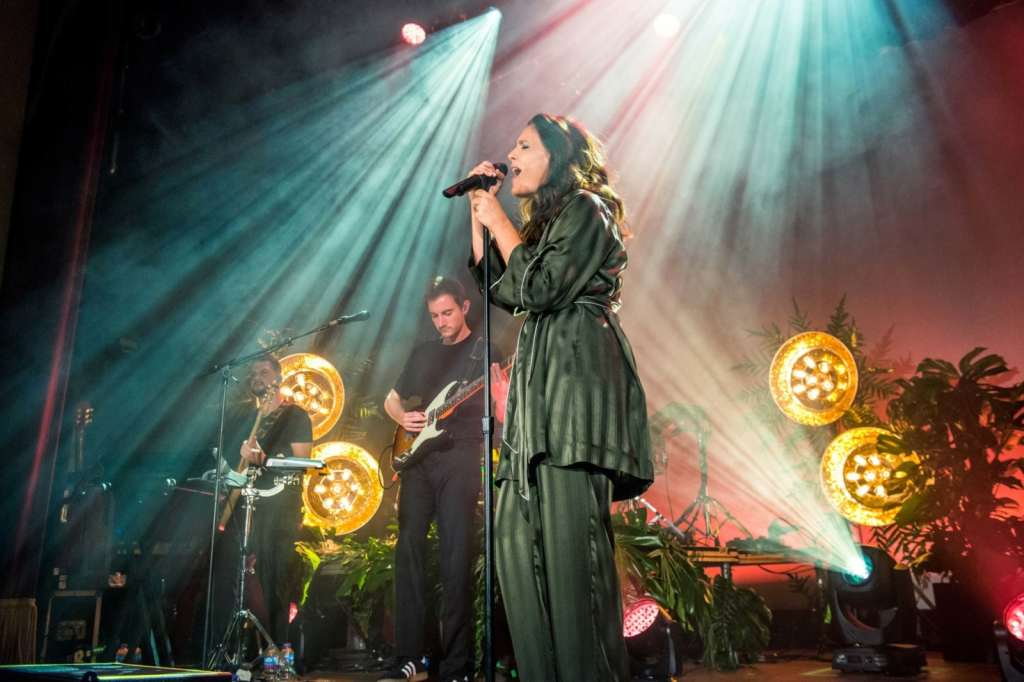
Home Counties: Exactly As It Seems review – a masterpiece in diverse post-punk

After the addition of a new member, upgrading Home Counties from a 5-piece to a 6-piece, the band has truly found their sound and developed it perfectly to cover and tackle many problems in a war against the mundane. Matthew Rowe explains all.

Formerly Buckinghamshire-based band Home Counties have been on the scene for a while, but have unfortunately stayed under my radar until recently. Whilst I was shuffling on Spotify, I was lucky enough to hear one of their earlier songs, Back to the 70s, which instantly struck me. In their earlier days, they adopted a much more post-punk central sound while attempting to maintain upbeat instrumental tracks to accompany them. This was a nice change to the genre’s status quo, especially as it appeases my love for funk and post-punk, forming the new genre of post-funk.

Before making their debut album, Home Counties picked up pianist and
second vocalist Lois Kelly, who I believe was the key to fully fleshing out their songs. The combination of Kelly, as well as already established
vocalist Will Harrison, is executed to perfection, with both voices able
to deliver loud, cutting lines as well as much more melodic background vocals
that work in harmony with one another. The introduction of Kelly also changed
the band’s sound, tackling their funky, disco-inspired instrumentals head-on.
This leads to a set of much stronger-sounding tracks and keeps a consistent
theme that varies just enough to avoid too many repetitive singles.

Picking up a second vocalist was the best thing Home Counties could have done

Home Counties have managed to stay completely balanced on a scale from having either the instrumentals or the vocals drowning out the other, both in their mixing but also in the musical intricacy and the importance of the lyrics. One great example of this is Cradle, Coffin, which boasts a very punchy 4/4 beat, but the band alongside both Harrison’s and Kelly’s lyrics work perfectly, allowing enough focus to lay off the beat while they get their point across to us. This balance allows for a particularly enjoyable listening experience. I have found that it’s great background music if you are working, but also a great album to sit down and listen to in its entirety.

A lot of hard-hitting and relatable themes are explored in this project.
This was inspired by the band moving to the big city of London from their
previously calm, out-of-city lives, which is a big change for anyone. The first
single from this album to be released was Bethnal Green, a song tackling the topic of gentrification and how it can lead to the feeling of not belonging to where you came from. “Just say you don’t contest me, just say you won’t forget me” is a particularly poignant example of the two. Another song, You Break It, You Bought It directly attacks the general public’s, and specifically my least favourite kind of collector, landlords (M3 Lettings and Fit Property; if you are reading this, I do not like you). This track nails it when it comes to the state of renting as well as providing a brilliant, funky instrumental including my favourite bassline on the project from Bill Griffin. The vocals provide both an insight as to how predatory these companies are as well as their rather personal thoughts, “Lynching landlords in my dreams” being rather extreme, but getting the point across.

In some of their songs, they have also adapted a newer, more electronic style of music, my favourite example being the title track, Exactly As It Seems. This kicks off with an instrumental that is akin to the intro music to ITV’s The Job Lot. This results in an 8-bit-sounding backing track, which you wouldn’t think would work, yet it does almost seamlessly with the dynamic duo of vocalists I have grown to love over this album. This is also apparent in Funk U Up, which boasts a very impressive electronic keyboard track straight out of a futuristic soundscape to accompany a song about constantly falling behind and messing up.

One thing Home Counties does to a very high standard is build songs up to a huge crescendo, often releasing the anger built up throughout the song in a blaze of funk glory. This is done best in Wild Guess, which is the single that made me most excited for the album. This starts nice and slowly but builds up from stripped-back instrumentals, setting a calm tone for most of the song while solemnly putting across a message about the cost of living crisis before hitting the final chorus, which elevates the instrumental into a catchy, ride cymbal driven melody composed of all the previous parts.

As well as developing their general sound, they have done an incredible job of developing their structuring and variety

Their final track in this album puts together all of these factors of individual greatness in previous tracks into one brilliant finale, Posthumous Spreadsheets. It starts off with a very Beatles-esque Come Together inspired drum track and much like Wild Guess, continues on relatively calmly at the beginning, demonstrating their ability to deliver strong monologues above an electronic beat, before kicking in halfway through. This song wraps up the themes covered elegantly, with the final song being about how awful the pressures and stress of a modern office is through a combination of satire and much more serious lyrics about how difficult it is to enjoy yourself whilst working at the bottom.

To summarise this project, I was blown away both during the release of the singles and the grand release of the album. They have blended two of my favourite genres perfectly and have given me a new view of what post-punk truly means. Home Counties are a very underrated band, and I hope they gain more traction soon, so if you’re reading this, please go and listen to them.
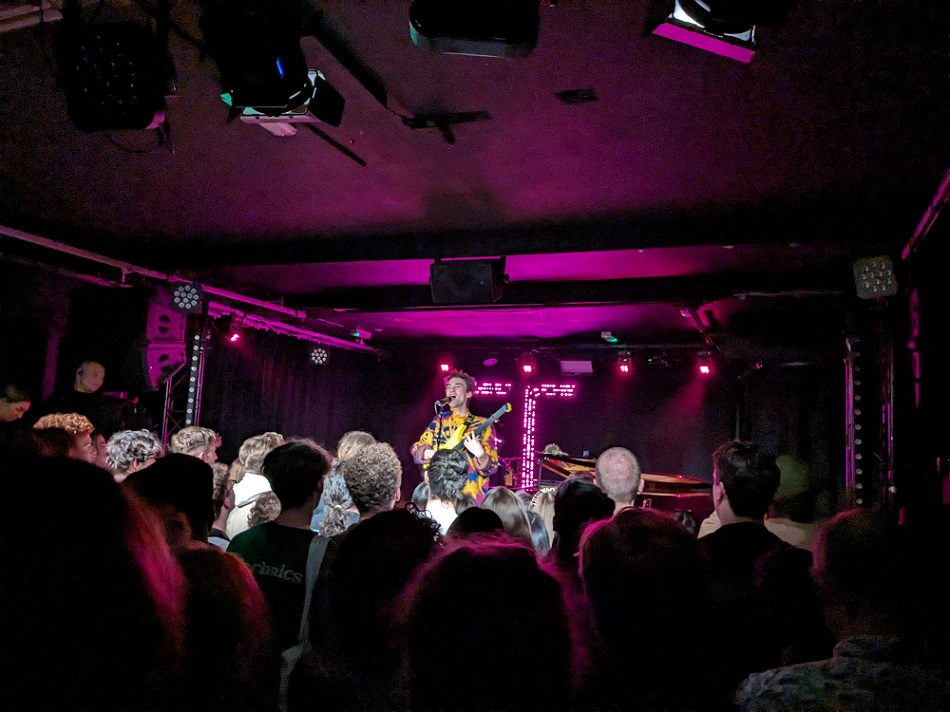
Billie Eilish: Hit Me Hard and Soft review – more soft than hard

A compelling tale of love and loss, Hit Me Hard and Soft sees Eilish embrace her sexuality on her own terms via knotty and unpredictable pop. The love songs are delectable and the showpiece moments titanic, although not every sonic experiment comes off.

There’s something admirable in the way Eilish casts aside any hint of lyrical subtlety in Lunch, the second track of her hotly anticipated third studio album, Hit Me Hard And Soft. “You need a seat, I’ll volunteer,” is one of the song’s many innuendos that will have no doubt raised an eyebrow when Eilish first presented it to her long-time producer and brother Finneas O’Connell. Eilish has long been known for resisting the sexualisation of young female pop stars that music executives seem to demand, gaining fame for her concealingly baggy oversized outfits. Her song Not My Responsibility, one of many Eilish tracks discussing body image, was an eerie spoken word piece about the demands of ogling magazines and relentless commentators. She was furious last year when Variety outed her as bisexual in a cover story, disappointingly still deemed a newsworthy reveal even in 2024. In Eilish’s words: “I like boys and girls leave me alone about it please literally who cares.”

For that reason, Lunch is a triumphant reclaiming of the narrative – Eilish’s first song explicitly about sex, and one not coy about mentioning the lover in question happens to be a girl. But beneath all the titillating euphemisms (“I could eat that girl for lunch”), there’s plenty of the singer’s trademark lyrical depth. The metaphor of eating has deep, dark connotations for Eilish and many of her young female fans, many of whom will have grappled with body dysmorphia and anorexia in today’s world of impossibly perfect Instagram models. Eilish’s sexual liberation nourishes her in the same way the unwarranted opinions of mass media starve her. “People say I look happy just because I got skinny / But the old me is still me […] and I think she’s pretty,” Eilish reflects movingly on Skinny, this album’s tender tone setter, a song which sounds like stepping into a warm bath after a long day.

Much of Hit Me Hard And Soft’s brilliance lies in Eilish’s uncanny ability to transform the complex feelings of young love and newly explored sexuality with a judicious synth choice or telling melodic turn. Album highlight Birds of a Feather, for instance, sounds every bit as unsustainably beautiful as a young love affair, Eilish singing with an unrestrained belt that sounds a far cry from the close-up whispers that made her famous. The washed out chords and sickly sweet melodies sound straight out of a Wham! classic, complete with a shimmering bassline and reverb-soaked vocals. For a singer who gained fame through tracks with names like You Should See Me In a Crown and All the Good Girls Go to Hell, Birds of a Feather is a shockingly lovely song that heralds an impressive sonic reinvention for Eilish.

Elsewhere, it’s not the complexities of fresh love that Eilish summons, but revenge. The Diner recalls an operation to break into her enemy’s kitchen via a plodding synth bass and distorted layered vocals that recall the Bad Guy days, albeit without any of the world-dominating hooks. A more compelling wander to the dark side comes on Chihiro, a track propelled by a disgustingly funky bass line that provides a muscular match to Eilish’s intimate vocal delivery. “Did you take my love away from me?” she demands as a swirl of synths begin to envelop her, successfully finding beauty amidst pained lovesickness. The track culminates in a compelling plot twist (“it’s all been a trap”) and a subsequent wall of electronic sound, although the payoff compares unfavourably to the same trick Parcels pulled off in their deeply underrated opus Everyroad.

Unusually for an A-league pop star, Eilish released no singles in the lead up to Hit Me Hard and Soft’s release, and her uninterrupted playing of the album in a listening party at New York’s Barclay Center last week suggested she sees this album as a single work, rather than a collection of potential chart hits. Indeed, Hit Me Hard and Soft is Eilish’s most narratively cohesive album to date, beginning with an ecstatic love affair and ending just as the heartbreak is beginning to numb. The cinematic turning point comes with The Greatest, a remarkable five-minuter in which Eilish’s pent up rage eventually erupts over arena-filling rock. “All the times I’ve waited / For you to want me naked,” she laments, but there’s a hint of self-deprecating irony in the conclusion that “man, am I the greatest”.

The self-deception continues in L’amour de ma vie, in which Eilish attempts to convince herself it was never love in the first place over a catchy pop hook. Again, Eilish’s anger bubbles to the surface in the song’s second half, although this time it’s via Hit Me Hard and Soft’s most contentious left turn: a pummelling four-to-the-floor kickdrum and, improbably, the sort of heavily autotuned Eurodance groove Finland might consider sending to Eurovision next year. Eilish has to be given points for her vagrant disregard for the pop rulebook, but her defeatist wails of “it’s over now” inevitably get lost in the silliness of it all.

A trendier synthy confection leads into the closing track, Blue, which features the sort of devastatingly catchy earworm a lesser artist could have quite happily used as the linchpin for a straightforwardly appealing three minute pop song. Instead, Eilish gives us a final creative flourish by turning the tempo right down and reflecting on how we tend to feel attraction to those who share our flaws. In the process, she deftly ties up many of the album’s lyrical loose threads, throwing in the beautiful strings melody that opened the album for good measure.

That said, for all Hit Me Hard and Soft’s thoughtful narrative and restless creativity, the 43 minutes do leave a lingering feeling that the most exciting elements of Eilish’s previous compositions – the body horror and masterful production of Bury a Friend or the apocalyptic finale of Happier Than Ever – are left largely unexplored in this introspective album, and bursts of experimentation are only pursued for a few wild minutes before a return to Eilish’s default spacey electropop. With its unapologetic queer love songs and impeccably nuanced lyricism, Hit Me Hard and Soft is a significant development in Eilish’s albumcraft, but there’s still a sense her best album is yet to come.

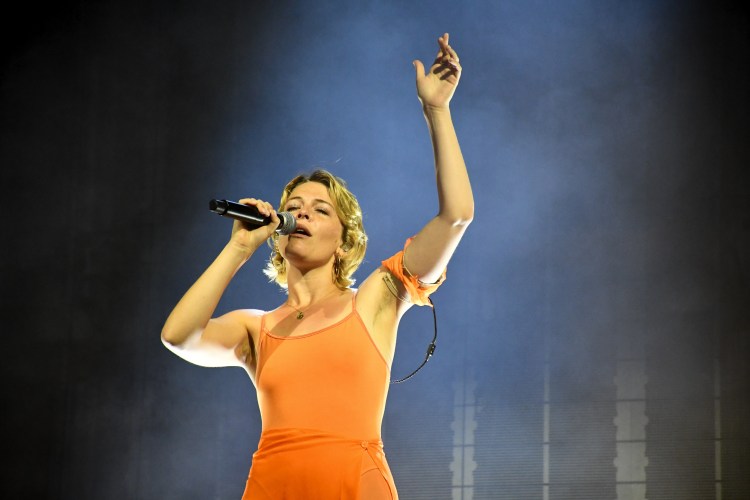
Maggie Rogers: Don’t Forget Me review – assured third album brims with singalong choruses

Maggie Rogers: Don’t Forget Me review – assured third album brims with singalong choruses

The ballads are few and far between on Maggie Rogers’ brilliantly written third record, which delivers one singalong belter after another. Don’t Forget Me doesn’t reinvent the singer-songwriter wheel, but what a fabulous wheel this particular album is.

The origin story of Maryland singer-songwriter Maggie Rogers’ career is the stuff of pop legend these days. Rogers was 22 when she took a music production masterclass at the New York University Tisch School of the Arts, which involved the no doubt intimidating task of playing an original song to one of the most famous producers in the world, Pharrell Williams. The song, Alaska, floored Williams, who’s first response was “I have zero, zero notes for that.” The resulting clip went viral (a remarkable watch still available on YouTube), and the rest is history.

History, because Williams really had discovered a US megastar in that small New York recording studio. Just four years later, Rogers would be at the Grammys. This year, that shy music student has a 30-date US stadium tour in her diary, followed by a tour of Europe in support of a little-known British band by the name of Coldplay. Whilst Alaska remains one of her biggest hits, Rogers’ music these days sounds much removed from the crowd pleasing yet safe pop confections of her 2019 debut, Heard It In a Past Life. Don’t Forget Me feels like the completion of the gradual artistic progression that Rogers launched on that fateful day back in 2016, developing from cautious experimentalism to self-assured pop and country hits. That’s not to say Don’t Forget Me tries anything especially distinctive or unusual, but the bulletproof vocal performances and a string of anthemic choruses don’t put a foot wrong.

Spacey, mature opener It Was Coming All Along is an effective tone-setter, but it’s the moody follow up where the instant classics begin: Drunk is a thrilling ride with bluesy rock guitars and a relentless chorus that recalls Fleetwood Mac at their most dynamic. Best of all is the extraordinary vocal performance, which rattles along with so much pent-up rage there are moments when Rogers’ sounds on the verge of losing control completely. And yet, like a cowboy clinging onto to a raging bull’s leash, she just about lands every adventurous adlib, and the result is one of the most compelling pop-rock recordings of the year so far.

Drunk is just the beginning of Don’t Forget Me’s delights. Deeply lovely So Sick of Dreaming is graced with sparkling layered guitars and a stunningly harmonised chorus that paints Rogers’ lovesickness with a beautiful elongated sigh of a melody. The spoken recount of a failed first date during the bridge may strike some as corny, but the payoff is perfectly executed final chorus that epitomises Rogers’ general fatigue whilst hinting at an underlying hope. The Kill maintains that appealing concoction of pain with a dash of optimism, the latter provided by an winning mellotron hook and galloping groove. It’s a straightforward and arguably unambitious track – a smattering of horns could have been a more daring creative decision to take The Kill even further from bland country music charts fodder – but it’s hard to knock the sheer quality of Rogers’ songcraft.

There are only two ballads in the ten tracks – I Still Do and All the Same – both of which are competently written and necessary moments of quiet reflection, but it’s the stadium-ready up-tempo numbers that will have fans returning to Don’t Forget Me over and over again. Earwormy On & On & On, for instance, pairs a wobbling synth bass with snappy funk drums, a hark back to noughties which might have outdated had Rogers’ hooks not been so punchy. Most of Don’t Forget Me’s choruses seem tailormade for road trip singalongs, particularly the anthemic Never Going Home, as well as the poignant lead single and title track, which closes the album with a pained demand to be remembered. If she’s in any way trying to send a message to listeners at the end of her album, Rogers need not worry – no listener is forgetting this excellent record in a hurry.

Jade Bird: Burn the Hard Drive EP review – restrained breakup songs lack punch

Jade Bird’s knack for an anthemic chorus and soaring vocals go largely unused on this mixed EP, which opts for introspective healing over the roof-raising Americana of Bird’s first two albums.

Jade Bird was born in Croydon, but she has an American soul. Her folky songs and penetrating vocals have long had the biggest popularity in the country music-obsessed southern states of the US, and her career was forged on the awesome country rock choruses of her self-titled debut, a record which included, amongst other barnstormers, Love Has All Been Done Before, a song which saw Bird rightly indulge in two bridges and four choruses – each more explosive than the last. A move to Austin, Texas in 2021 was the inevitable next step, along with sophomore record Different Kinds of Light, which put a loved-up sheen on Bird’s earthy Americana and offered more signs of songwriting maturity and nuance, not least in the glorious, sun-kissed melodies of Now is the Time, one of the very best songs of that year.

The years since has seen another significant change in Bird’s circumstances with the end of the long-term relationship behind many of Different Kinds of Light’s sweetest moments. The result is a long-teased EP which sees Bird mellower, more pensive and less inclined to throw in a straightforwardly anthemic chorus just for the hell of it. The unlikely production credit of Guernsey electronic music artist Mura Masa signifies the shift away from gunslinging country bangers, although (thankfully) his influence is most felt on the EP’s tasteful, muted bass riffs, rather than any drum machines and synths.

The trouble with Burn the Hard Drive is that heartbreak has not stoked the fire of Bird’s already fiery compositions, but rather extinguished it. The opening title track is pleasant and competently produced but sounds colourless compared to the unadorned passion of Bird’s early songs. There’s an interesting bass line and thoughtful one-note chorus, but for a voice of Bird’s calibre it’s like taking a Ferrari to work. C.O.M.P.L.E.X possesses the EP’s best earworm, but Bird’s admonishments of her ex’s “God complex” sound out of place amongst gentle guitars and weeping violins. There’s more intelligent composition and another alluring bass line in You’ve Fallen in Love Again, but it’s all washed in a spaced-out reverb that blunts the sharper edges in Bird’s melodies and vocals and renders the song as forgettable as a dream.

C’est La Vie is the first glimpse of Bird’s rasping vocals in their full glory and features a textbook Bird chorus that demands to be sung at full volume whilst driving towards the sunset on a long road trip. Again, Bird stops short of the full country rock treatment of wailing guitars and pounding drums, but a stripped-back, acoustic guitar driven rendition offers a round-the-campfire authenticity that spotlights Bird’s winning chorus. The song sets up Breaking the Grey, an optimistic finish with a somewhat obvious gospel-tinged piano progression. “You can’t wish the feelings away,” Bird admits, in a small but pleasing narrative arc after the desperation she felt to erase the past in the opening track. “I finally feel like I’m breaking the grey,” she assures us in the end. It seems Burn the Hard Drive has been a necessary, healing songwriting exercise for Bird – let’s hope for album three she’s ready to return to the full-blooded rock and roll she delivers best.

Jacob Collier: Djesse Vol. 4 review – his most gloriously incohesive yet

Ticking off everything from electropop to metal, Indian folk music to club-ready dance numbers, the finale of Collier’s four-album extravaganza is eclectic even by his standards. It makes for a mightily impressive listen, even if the 26 featured artists might overwhelm even his keenest fans.

Now five albums into his career, it’s clear Jacob Collier is a once-in-generation musician. For anyone that’s been following him since he broke out via harmonically complex a capella covers on YouTube, that’s old news. In reality, it was clear from that very first album – Hideaway, toured solo with Jacob jumping around stage from drums to keys to double bass with the help of a loop pedal – that Collier isn’t like your average singer-songwriter, not even your average jazz musician. He plays everything brilliantly and effortlessly, all with Herculean powers of humility, and has an immense grasp of musical harmony in all its nuances. His insatiable urge to learn new instruments is matched by his appetite for a dizzying array of genres and a rare respect for music in all its nebulous forms: Djesse Vol. 4 has everything from choral ambience to cinematic pop and oppressive death metal – and that’s just track one. As a result, Djesse Vol. 4 is in turns awe-inspiringly virtuosic and discombobulating, as has Collier’s entire career up to this point.

This record, the final of a blockbuster four album cycle and the hardest of the four to pin down to one sonic palette, starts with Collier’s finest USP of recent years: the “100,000-person choir”. 2020’s Vol. 3 was followed by a world tour in which Collier perfected the art of ‘playing the audience’, orchestrating soul-stirring three part harmonies with hand gestures, often with improvisatory flourishes. Vol. 4‘s opener presents an astonishing overlay of audience recordings from every single concert on that tour (which means Undertone‘s voice is technically on this album too – there goes my impartiality). Moreover, 100,000 Voices is much more than just the heart-warming harmonies many Collier fans will have expected; soon Collier’s singing an up tempo pop anthem with an unusually unrestrained belt, a refreshing change from his usual choir boy undertones). He cuts through the chaos with a striking demand to “let me be happy! … let me be ordinary!” but alas, as with many a Collier song that has come before, he gets bored quickly, and soon he’s throwing in a distinctly unhappy and unordinary death metal interlude apparently just because he can.

There’s plenty of impatience elsewhere, but Collier’s core ideas are consistently solid. She Put Sunshine has a restlessly shifting electropop groove but a bulletproof hook and touchingly romantic lyrics at its heart; A Rock Somewhere is an utterly random yet atmospheric sitar interlude; in the other extreme, Witness Me features the definition of the Western pop mainstream in Shawn Mendes, and turns out to be a somewhat cheesy gospel pop number with a catchy chorus.

A common sonic thread is impossible to find in Djesse Vol. 4, but the record stands out in Collier’s discography by the unusually high number of actually comprehensible pop and rock songs. Lead single WELLLL debuted at Glastonbury and offered false promises of an incoming rock album, but it still includes impressively hard-hitting classic rock riffs for a musician that grew up singing Bach chorales in the living room with his family. Cinnamon Crush and Wherever I Go are both sumptuous R&B cuts, the latter containing a standout vocal performance from gravel-throated Clyde Lawrence. There’s also several much needed islands of calm. Little Blue, featuring a non-descript performance from Brandi Carlile, is serene to the point of being soporific. Summer Rain, instead, is the pick of the ballads, Collier showcasing the depths of his lovesick tenderness before a soaring, delightfully uncomplicated finale that evokes Coldplay in Fix You mode. It’s more proof that when Collier can successfully harness his immense talents into developing a single strong idea – like the Hulk trying not to smash everything he holds – the result can be stunning.

One gripe I’ve had of Collier’s albums so far is that he has an unfortunate habit of making the best song a cover. An orchestral All Night Long and a towering choral rendition of Moon River were the clear highlights of their respective albums, and a piano cover of Dancing Queen performed live in Stockholm remains on of the most affecting corners of Collier’s released discography. I’ve even made the claim that Collier is yet to create a genuinely great original composition, beyond perhaps Hideaway. Djesse Vol. 4 sets that right, but also includes another extravagant cover in Bridge Over Troubled Water, which foregrounds Tori Kelly’s extraordinary vocals. Unfortunately, the ample flourishes – namely Kelly’s bewilderingly ornate melismas – muddy the picture somewhat, and by the end it seems Collier has chosen showy vocal acrobatics over the simple beauty of the exceptionally well-written source material. Exceptional talent is useful at the right moment, but Bridge Over Troubled Water is an example of Collier’s difficulty in knowing where to practice restraint.

Given this album marks the end of the 44-song long Djesse series, Collier can at least be forgiven for indulging in a grand finale. Two-parter Box of Stars is the most Collier-esque piece he has ever produced, with each distinctive new guest vocalist wheeled in and out at a rate of knots. The result is, as Collier has admitted, utterly unperformable, since the guests’ rap verses and vocal flourishes are far too idiosyncratic for Collier to attempt, particularly given the variety of languages on display (Djesse Vol. 4 boasts featured artists from all seven continents – except Antarctica, but Collier claimed in an interview that there’s recording of Antarctic ice somewhere deep in the mix for good measure). Box of Stars Pt. 1 does at least boil down into a pulsating, hooky dance groove, although Collier only teases out four bars of it in its fully glory at the end of the song.

The very end of the Djesse experience, however, is a wonderful surprise. World O World is a choral hymn and nothing more – without even the drastic harmonic left turns that populate the many of Collier’s earlier choral pieces. Delivered with a gentle majesty akin to Hark! the Herald Angels Sing, the song is a poignant call to leave home and strive for something frightening and new. “Time is swift to come to pass / Nothing stays and nothing lasts,” the choir intones in buttery harmony, sounding not dissimilar to the a capella arrangements that launched 17-year-old Collier’s career in the first place. It’s a simple message, but it’s also perhaps the most deeply moving set of lyrics Collier has ever penned. As this anarchic album comes to a close with a final “goodbye”, all that’s left to wonder is just how Collier has found the time to attain such technical mastery in so many genres.

“When you become immersed in something that you care about in a deep, deep way, it doesn’t feel like practice any more,” Collier tells me, my friend Thomas and a few hundred others in a rammed Wardrobe on a Thursday night in Leeds. We’re here for an underpublicised album launch celebration, and in a Q&A section of a typically remarkable Jacob Collier gig. Surely the diminutive stage at the Wardrobe has never seen a performer of this calibre before. If four Grammys aren’t enough to go by (and the only time a British artist has won Grammys for all their first four albums), Collier soon provokes gasps by somehow playing guitar and piano simultaneously, this time without a loop pedal in sight. Later, he indulges in the musically literate crowd (he asks later to discover almost half of the audience attends Leeds Conservatoire), conducting his trademark audience choir, with added polyrhythmic clapping and impromptu covers. Constrained (mostly) to one instrument at a time, Collier’s renditions are far less overwhelming than the studio recordings, and melodies on some of Djesse Vol. 4‘s weaker tracks soon reveal their true beauty

Jacob Collier played to a rapt Wardrobe in Leeds.

What’s more, Collier is just an inspiring a speaker as musician. He has a knack of giving profound answers to tedious, surface level questions. For example, a somewhat technical question about harmonic dissonance (one of several such questions from a crowd hungry for just one percent of this genius’s powers) becomes a discussion on finding perspective in life. “Sometimes you might play one note over a chord and think ‘well that note doesn’t go at all’, but it’s not the note that’s wrong, it’s the chord. Whilst you can’t control the world’s ‘notes’, we can control the context within which we place those notes. We get to decide what matters. Music is a very great teacher.” Some may accuse nerdy young musicians of being in a Jacob Collier cult, but it’s hard not to become a convert when hearing him speak so eloquently about his life’s passion.

I’m not the first to want to put Collier’s music back in a box, to dream of a pop song with a verse and a chorus, or a jazz album that focuses on Collier’s seasoned piano improvisation skills, perhaps even an orchestral symphony. The wonderful thing about Collier is that he couldn’t care less. His stated, noble goal of Djesse was to simply experiment and learn about as much music as possible, recruiting world experts from T Pain to Anoushka Shankar, Chris Martin to Xhosa lyricist Kanyi Mavi, and the eclectic volatility of the resulting songs seem to indicate he has achieved his goals. Any Grammys that come along the way are nice bonuses. Later in the gig, one audience member asks him how to be successful, to which Collier advises the best measure of success is simply “contentment”. His best single piece of practical advice? “Don’t try to be cool, be warm.”

KNOWER: KNOWER FOREVER review – a grand return for the LA duo

Louis Cole, Genevieve Artadi and an incredible collection of collaborators have crafted an album elevated far above any of their past music, shaping a promising future for the electronic funk duo, writes Matthew Rowe.

Agood few years ago I was playing GTA with some friends when I first heard F—k The Makeup, Skip The Shower on FlyLo FM, and ever since I have been obsessed with LA’s experimental funk duo KNOWER, the main driving factor for me getting into funk music (thank you rockstar). It has been seven years since Louis Cole, Genevieve Artadi and their array of ridiculously talented musicians released an album under KNOWER, but you can tell they never stopped.

Cole, Artadi and friends are often found touring with their respective bands and solo projects. For example, Louis Cole’s tours often include a full entourage of artists, having a huge overlap with those included in KNOWER FOREVER. This is evident with how tight all of the songs feel, with every member able to fit seamlessly into the funk pocket, no matter how convoluted some of the melodies are.

KNOWER FOREVER is the product of a band where each member has refined their act so finely that their sound has evolved significantly, moving from a more unhinged dubstep feel to well put together funk. As an album, this was a brave move from Cole and Artadi, releasing it on Bandcamp back in June before it got released on streaming services, but listening to it on Spotify, I wish I’d caved in and bought it via Bandcamp.

Admittedly, at first I was a little worried about how the album would turn out, and that the rest of the songs would struggle to hold a candle to the three released before the rest, those three being I’m The President, The Abyss and Crash The Car, all of which set the bar high. On the release of specifically the first two, they were all I could listen to for a good week. The risk of the rest not being as good was one of the reasons I was put off buying the Bandcamp version but now since the Spotify release, I can’t stop listening. This project is easily the best funk album I’ve heard this year and is in contention for my album of the year, alongside Black Country, New Road’s Live at Bush Hall.

This project is easily the best funk album I’ve heard this year.

KNOWER has always been known for pushing the boundaries of wacky and ridiculous, but I believe that in KNOWER FOREVER they have successfully balanced this with producing nicely subdued songs in comparison. In the previous album, Life, there were songs like The Government Knows and Pizza which I’m sure some people will miss, but I think it’s a very welcome change for them to focus more on the synergy of the band rather than making rather nonsensical music. The new sound is very similar to two of their most famous songs, Overtime, and Time Traveller, the Overtime live session being one of my favourite videos of all time.

In this project, it’s also clear that inspiration has derived specifically from Cole’s other endeavours. Louis Cole is part of a duo that goes by Clown Core and in It’s All Nothing Until It’s Everything it’s clear to see with the drum beat that it is heavily inspired by them. This album also hosts a wide range of musicians; despite being a project by Cole and Artadi, it feels more like a revolving collective of pure talent. On top of this, some big names have been bought in: Jacob Mann and MonoNeon, just to name a couple. The only problem I have with this project is MonoNeon’s lack of bass soloing on The Abyss and despite his insane bass lines, I was left feeling that there was untapped potential.

As a drummer, I love nothing more than hearing new Louis Cole tracks, and he delivered. I have found, after several hours of trying, that his sound is very tough to replicate. Every song on KNOWER FOREVER seemed to bring a different style with it, but I for one find it very impressive how easily he can fit technically complex drumming and fills seamlessly into the rest of the band without overstepping. This has developed with this album. In the past, in songs such as Like A Storm, the contrast with the melodic singing of Artadi clashed with Cole a bit too much, but the new album has perfectly mixed her vocals depending on the song. Pair this with Sam Wilkes’ stank-face-inducing basslines and Sam Gendel’s sax riffs; you can’t go wrong.

It’s not only Louis who displays range in his playing; the entire band is capable of completely different soundscapes depending on the song. Just in this one album, we are blessed with ethereal melodic songs that focus on the range of the soft-spoken lyricism of Genevieve, fast bouncy funk in Nightmare and hardcore dubstep funk in It’s All Nothing Until It’s Everything. The band’s ability to adapt to any subgenre is inspiring and gives me a lot of hope for the future of KNOWER.

The band’s ability to adapt to any subgenre is inspiring and gives me a lot of hope for the future of KNOWER.

One thing I really appreciate about this album is the use of the full house band. This is classic Cole: a house full of musicians, all somehow in perfect sync with each other. This has been done in the past, but to my knowledge, has never made it into a KNOWER album, often being made as fun projects after the songs have had official releases. This opens up a whole new dimension to the song I’m The President, making it more of an epic orchestra rather than just a band, and the result is all of these talented musicians coming together, with perfect mixing to help realise a song, that otherwise would have been incredible, but is greatly boosted up by the theatrics of the brass and choir.

KNOWER FOREVER was worth the seven year wait. Even though I only started listening to them after Life came out, I have been waiting to see what else they could do. This has set the bar very high for future projects, but if there’s a group of people who can maintain quality, it’s these guys. All members involved contributed greatly, and all of them had their chance to shine, creating solid music with well-suited solos. They are able to take on any genre they feel like, and I can’t wait to see what they’re going to do next.


Laufey: Bewitched review – the finest yet from vocal jazz revivalist

A breathtaking title track is the climactic highlight of the Icelandic-Chinese artist’s second album, packed with enough gorgeous melodies and intricate orchestration to singlehandedly spur the revival of an entire genre.

TikTok has transformed the music industry in ways that are still becoming clear. Its sudden boom felt by everyone under the age of 30 has changed the emphasis for artists from writing well-rounded singles or albums for the expert ears of tastemaking radio DJs to coming up with marketable 20 second chunks to be listened to millions of times by many app users who may never hear the entire song. With the shortened time span comes new incentives for the artist – accessible hooks and instantly relatable lyrics will ensure instant results, and bright, funk-leaning pop music is the genre of the day (all the better to record a dance to). The big money in the now common phenomenon of charting TikTok songs has practically led to an entire new genre of Gen Z-pandering pop, doing away with bridges (no time for them in a short TikTok clip) and simply speeding up preexisting songs, providing an easy extra uptempo kick with the unfortunate side effect of giving the vocalist an uncanny chipmunk voice.

For that reason, the rise of Laufey Lín Jónsdóttir (say LAY-vay) has been improbable to say the least. Based in Los Angeles and London and with the unusual combination of Icelandic and Chinese heritage, she plies her trade in the notoriously unmarketable genre of vocal jazz, recalling classy melodies and smoky piano trio instrumentation that hasn’t seen mainstream attention for more than 50 years. She’s made steady progress on TikTok, posting quietly impressive performances on cello and guitar, each video invariably graced with her expertly enunciated vocals. A steady flow of new fans became a flood only in this past year with the viral success of Bewitched’s lead single, From The Start. An unusually peppy bossa number (Laufey once wrote that fast jazz makes her anxious), it was catchy enough to win the attention of the app’s mysterious recommendations algorithm and, a few months later, Laufey has the most-streamed opening week for vocal jazz album in history no less, a modest record to break given the lack of competition, but nonetheless a signifier of just how much Laufey is on her own when it comes to her preferred corner of jazz. Boundary-pushing instrumental jazz may continue to thrive both in the UK and the US, but for the moment it is Laufey alone who is fighting the corner of this more conservative, decidedly less cool subgenre with its familiar harmonies and straightforward melodies.

From The Start may be the song powering Bewitched’s success, but it’s just the tip of the iceberg when it comes to this album’s charm. Laufey already has a live album with the Iceland Symphony Orchestra under her belt, and at its best Bewitched shimmers with unashamedly elaborate flourishes of oboe and swelling waves of strings. California and Me is so densely orchestrated that London’s Philharmonia Orchestra gets an official credit, providing momentum to Laufey’s enchanting melodic meanders. Elsewhere, the classical elements of Laufey’s style are more intimate. Serendipity, perhaps the most charming of this album’s many waltzes, sees Laufey trade bittersweet melodies with a sonorous string section and pensive piano. On slinky bossa nova track Haunted the effect of the strings is more an atmospheric shimmer. “I swear to myself as he leaves at dawn / This will end ‘til he haunts me again,” Laufey confides to us, almost whispering before breaking out into a sublime passage of hummed scatting the likes of which the Top 40 Albums Chart hasn’t seen for decades.

The biggest joy of Bewitched lies in witnessing Laufey fall gradually ever deeper in love, song by song. “Boys just make me cry,” she announces resolutely in the delightful opener Dreamer, a classic swing tune with a classy vocal performance that would surely have impressed Ella Fitzgerald, Laufey’s most obvious influence. By Lovesick, though, Laufey’s determination to avoid boys at all costs has evaporated. The central moment of turmoil of the record, Lovesick is the closest thing Laufey has ever got to a rock song, even if the chugging electric guitar is buried under a web of heart-tugging strings and sustained piano chords. It also happens to include one of her strongest choruses to date, replete with beautiful lyrics delivered with an urgency that sounds somewhat out of place on this otherwise soft album, but nonetheless could be a promising sign of more daring genre-mashing to come for Laufey.

By the time we reach palate-cleansing piano solo piece Nocturne, it is clear Laufey is well and truly besotted. Swooning, helpless love is the mood that Laufey has dealt with most comfortably in her career to date and true to form these final six songs offer the most assured moments of Bewitched. Promise, a heartbreaking tale of a long-distance relationship, is exquisitely teased out before a barnstorming, despondent bridge (“I’ve done the math / There’s no solution / We’ll never last!”). Misty, the only jazz standard on the tracklist, is even more enthralling, with Laufey flexing her vocal jazz muscles in a tasteful performance, even if there’s no space for an instrument to take the limelight for a solo.

And then there’s the title track. Bewitched’s opening orchestral flourish could hardly be more ornate, with strings, woodwinds and horns all tumbling over one another as if soundtracking the magical arrival of a Disney princess. Instead, there’s the gorgeous, softly sung voice of Laufey and a lonely guitar. The melodies and chord progressions are nothing short of exquisite, and the gentle reentry of strings in the chorus feels like quietly slipping into a steaming hot bath. Complete with gorgeous lyrics about “the world [freezing] around us as you kiss me goodnight,” Bewitched is the most complete musical depiction of romance I’ve ever had the pleasure to hear. Like all the greatest love songs, Laufey not only describes her love but invites you to feel it too, with all its profound, all-consuming ecstasy and a nuanced tinge of risk when it comes to “bewitching” and “spells”. Laufey has lost herself in love just as the listener loses themselves in the artistry of the soaring strings and timeless melody. With Bewitched as an album closer, Laufey’s tale of falling in love is immaculately wrapped up with a fairytale ending. It’s the pinnacle of an album like no other in the pop charts today, although judging by the success of this new, unorthodox formula for TikTok riches, Laufey may not be alone in her niche for long.


Olivia Rodrigo: GUTS review – the rallying cry of a generation

Equally packed with punk rock instant classics and beautifully understated piano ballads, Olivia Rodrigo’s bravura second album is somehow fiercer, wittier and altogether even stronger than her Grammy-sweeping debut.

It takes about 52 seconds for the brilliance of Olivia Rodrigo’s sophomore album to hit. It begins with a delicately plucked acoustic guitar and semi-whispered vocals as Rodrigo sweetly delivers disingenuous lines about being perfectly socially aware and having “sun in my motherfuckin’ pocket”. It’s an expletive that foreshadows the rage that’s about to unfold: a clatter of drums followed by an implosion of distorted guitars and bratty, Avril Lavigne-esque vocals, matching Rodrigo’s rage at having to conform and look effortlessly pretty as the fawned-over young American pop star she is. all-american bitch is not just a smartly executed satire but simply a great rock song, with unusually fierce and unhinged guitars for a pop album so deeply in the mainstream, plus a rebellious shouted chorus that lands with all the impulsive force of a teenager’s bedroom door slammed shut.

It’s a bracing opener that sets the tone for what should become one of the great pop-rock albums of the decade. Where her generally excellent debut record SOUR outstayed its welcome with increasingly underpowered wallowing in the same formative breakup, GUTS sees Rodrigo venture (partly) beyond the world of misbehaving boys, in the process diving deep into the full throttle punk music that lingered dormant within the highlights of that first album. Raucous banger ballad of a homeschooled girl perhaps best exemplifies Rodrigo’s evolution and sudden maturity as an artist as she sings about social anxiety and unease at settling into a crowd after her unique upbringing as a child actor at Disney. What makes this song about awkwardness so brilliant is just how confident the music sounds as Rodrigo sings of “social suicide.” This song is not self-pity but a vivid recreation of Rodrigo’s (and, as it happens, much of her generation’s) anxiety in the form of a rapid torrent lyrics and a restrained bridge that promptly collapses upon itself into an electrifying finale.

Interestingly, a newfound willingness to be a little silly on GUTS is all part of that new maturity. Where SOUR occasionally risked slipping into melodrama, GUTS is mellowed out with wry anecdotes from a turbulent love life and jokes at Rodrigo’s own expense. “Yes I know that he’s my ex but can’t two people reconnect?” she quips on gritty Wet Leg-esque number bad idea right?, a song about willingly doing what you absolutely know you shouldn’t – far from the only unifying feeling of adolescent life that Rodrigo has comprehensively unpacked in her two albums already. get him back! is even more fun, a sharp-witted tale of getting a spot of light revenge on a clueless ex complete with a killer singalong chorus and an irresistibly groovy drum groove.

When Rodrigo gets serious, though, she doesn’t hold back. Lead single and perhaps this album’s finest achievement vampire steadily crescendos towards the condemning lines “bloodsucker, fame fucker, bleeding me dry like a goddamn vampire,” delivered with enough conviction to void any previous criticism that 20-year-old might be throwing in swear words just for cool points. There’s no mistaking that vampire’s vehemence is whole-hearted as the drums build into a canter and a twisting chord progression tugs on the heartstrings with accumulating urgency. At the heart of it all is the best vocal performance of Rodrigo’s career so far, transitioning from exquisitely quiet opening to bell-clear belted high notes that slice through the mix like a hot knife during the second utterly flawless middle eight of her career (after drivers license, of course). It all comes crashing down satisfyingly in a wall of spliced piano chords and deafening cymbals, triumphantly wrapping up what may be Rodrigo’s greatest three minutes of pop.

On lyrics alone, however, it’s hard to beat making the bed, an artful standout ballad that grapples with the uglier aspects of the celebrity life that Rodrigo has inadvertently created for herself. “I’m playing the victim so well in my head,” she admits as a mire of electric guitars and washed out piano chords inexorably begin to subsume her. Much of the detail on GUTS is inevitably difficult to relate to given it draws directly from the truly bizarre upbringing of a young global celebrity, but on making the bed there’s something strikingly universal about Rodrigo’s deep-seated guilt and cognitive dissonance. There’s similarly exceptional lyrics on classy piano ballad logical, where Rodrigo tells of falling for a dishonest lover “like water falls from the February sky.” She ends up concluding that nothing about love makes rational sense with the ingenious “the sky is green, the grass is red / you mean all those things you said,” making a mockery of the superficial ‘roses are red’-style love poems she must have received from countless desperate boys over the years. It’s rounded off with a sense of self-awareness typical of GUTS’ maturity, Rodrigo admitting in an introspective bridge “I know I’m half responsible.” This isn’t just a case of mining a flawed relationship for witty comebacks and one-upmanship. This is the intricate, pained unravelling of both party’s flaws set to ruminative piano and beautiful melodies.

In terms of sheer songwriting quality, GUTS never loses an ounce of momentum during its 40 minute runtime. In other years and on lesser albums, love is embarrassing could quite easily be a smash hit and worthy song of the summer with its joyfully self-deprecating chorus and pulsating synth beat. On GUTS it’s just another underappreciated deep cut, as is smooth and catchy indie pop number pretty isn’t pretty, which covers the well-documented topic of unrealistic beauty standards with a new clarity. “Fix the things you hated and you’d still feel insecure,” Rodrigo bluntly points out at one point, reminding us it’s something deeper than the supermodels and sunny Instagram posts that are making young people feel so insecure.

Most of all, it’s Rodrigo’s age that runs a thread through this album, with the singer both grappling with intense fame at such a young age and the jealous, patronising put downs that she receives from her invariably older critics. The opener’s semi-earnest declaration of “I know my age and I act like it,” proves to be self-deception by the time the stunning closer, teenage dream, is reached, when Rodrigo asks “when am I going to stop being wise for my age and just start being wise?”, sounding almost defeated. There’s also the uncomfortable question of whether committing her entire young adult life as an actor for Disney was wise. “‘Got your whole life ahead of you’ […] / But I fear that they already got all the best parts of me,” Rodrigo reflects in a line that must resonate with any young person unfortunate enough to come of age during a pandemic. Therein lies the great magic trick of GUTS, an album that has the raw intensity of Rodrigo’s singular life experiences but is equally adept at speaking on behalf of an entire generation of Gen Z-ers. For me, like many other 20-year-olds the world over, this album has quickly become part of my identity, a work of music to scream and dance along to in vigorous catharsis or confide in during quiet moments of overwhelm. I couldn’t ask for anything more.


Vulfmon: Vulfnik review – puts the future of Vulf into question

With rambling tangents and a confused mix of genres, Jack Stratton fails to deliver on an otherwise promising new identity yet again. Matthew Rowe gives a track-by-track rundown on why the latest album doesn’t live up to the potential harboured by Vulfpeck frontman.

To call Vulfmon interesting would be an understatement. Jack Stratton has always been known within Vulfpeck as a wildcard, not standing out musically like Joe Dart and his iconic basslines or Theo Katzman with his incredible vocal range but as a personality, known for doing the unorthodox. From this, you would gather any solo project of his to be very experimental and unlike most of Vulf Records, and you wouldn’t be wrong. The two albums he has released so far, Here we go Jack and the most recent, Vulfnik, do exactly this but have been quite a letdown. Unlike coherent albums where a full listen feels natural, listening to these albums often feels like you’ve hit shuffle on your liked songs, but they don’t hold up to the standard of the genres they’re exploring into.

With the announcement of Vulfnik, I didn’t feel the general excitement I had a few years ago whenever a new Vulf release was announced. Recently they have fallen short of my previous expectations of them, struggling to hit that old, funky minimalistic feel that helped them flourish (The Fearless Flyers being the exception). A while back I looked forward to their weekly releases, but the first song didn’t set my expectations high.

This was I Can’t Party, in which Jack tells us a story about getting hit on at a coffee shop and him having to turn down the offer due to the fact he can’t party. The issue with this song is that it sounds like he’s trying to make a song specifically to become popular with millennials on TikTok; looking this up, you’ll see several videos of millennials frankly embarrassing themselves. For reference, if you’ve heard “coffee shop bop”, it’s a very similar vibe. But you’ve got to give it to him: he has some serious leg strength in the music video.

In the same category of lacklustre songs in the first half, we also have Harpejji I and James Jamerson Only Used One Finger, both of which could not even be seen as songs. Harpejji I does what it says in the title, consisting of Jack playing a harpejji with a basic drum beat in the background. In comparison to the short list of artists who show off this instrument, it falls short of the standard given by artists like Jacob Collier. The latter of these two songs is three and a half minutes of Jack rambling on about Motown bassist James Jamerson. There isn’t much to say about this other than the fact that the Vulf compressor makes a seemingly random speech even worse to listen to, leaving zero replay value.

Listening to Vulfmon feels like you’ve hit shuffle on your liked songs.

There is some redemption in the first half. Louie Zong helped to make an upbeat, beautiful-game-era sounding song in UCLA, with a solid bassline, tight drum beat and fitting keyboard to serve as the hook. The music video for this is quite special since Louie Zong is involved. It’s only right he has complete control over the video, which consists of an animated bear dancing through UCLA and performing in front of a judging frog, who was impressed. With the positive tones the song gives and the good vibes from the music video, it makes for a redeeming second song in the album. This is followed by Bonnie Wait, a very solid song which reminds me of Here We Go Jack, showing Stratton’s ability as a vocalist. Lyrics in this song show both outwards melancholy towards Bonnie’s situation and internal anger and jealousy towards Bonnie’s fiancé but unfortunately this is the only strong instance of Stratton’s vocals in this album.

Unlike the first half of the album, the last 5 songs get released at the same time and during my first listen of this half it was obvious there were too many wildcard songs thrown in there, even for Vulfmon. This side of the album had its fair share of disappointing songs but does have some redeeming factors. The three songs that took me aback were Harry’s Theme (Lite Pullman), Nice to You and How Much Do You Love Me.

The ending brings celebration for getting through Vulfnik and being frankly upset with Stratton.

In the first of these, the first few minutes is a nice chill song made up of two guitars, a bass, and Jack playing the drums using his thighs, naturally. This segment of the song is reminiscent of Grandma and other older Vulfpeck songs. But this isn’t the only part of the song. Seemingly in the middle of nowhere we get Lite Pullman which would probably work as its standalone song given how out of place it is. After some research, a lite pullman is some sort of travel bag, but where is the correlation here to Harry’s theme? Nice to You follows. This is a punch to the gut and Jacob Jeffries’ only new vocal appearance on this album, and he isn’t living up to his potential. On the debut Vulfmon album, he sang How Much Do You Love Me which gave him an impressive start in Vulf. However, this song is a satirical take on the emo genre, where Jacob draws out a lot of words in an unbearable accent, which would probably work fine as a parodical YouTube video, but it doesn’t hold up on an album. As well as this, Bonnie Wait covers similar themes in a much better way.

This album is wrapped up with a new take on the Jacob Jeffries classic How Much Do You Love Me. Seeing this on the announced track list, I was excited to see what they could do with it, expecting a more fleshed-out band version of the song but was let down. I hadn’t done my research on who “Ellis” was before listening to this song and nothing could have prepared me. The song kicks off like the original before dropping into an EDM version. When this happened on my first listen, I was speechless for about 5 minutes. Afterwards, my mix of feelings was a blend of feeling like celebrating getting through Vulfnik and being frankly upset with Stratton for his choice of collaborator and song direction.

Thankfully to save this album from being a complete travesty we have some highlights in the second half. This half opens with some of Vulfpeck’s most influential collaborators – Antwaun Stanley and Joey Dosik – on Lord Will Make a Way. This duo brings much-needed revitalisation to the album and even with a tiny mic, Antwaun’s vocals shine like they usually do and gives a good improvement to the questionable vocal decisions of this album. On top of this, Joey’s sax solo is very well-fitting and brings some good jazz vibes into an otherwise jazz-free project. However, there are drawbacks to this song as, much like a lot of recent Vulf, it’s a cover and I find the Al Green version to have much more impactful instrumentals where Stratton has dulled them down significantly. Another decent song in this half is Blue, is a relatively simple jazzy/blues song. The piano, performed by Jacob Jeffries, slightly redeems his efforts in this project.

I have found that this album is successful in branching out into areas Jack would most likely be too cautious to lead Vulfpeck into. However, in these attempts they haven’t reached the levels I hoped they would, often being too satirical or going too far to fit the theme of Vulf. Comparing this to the first Vulfmon album, it also doesn’t live up to that, with the first album being much more consistent. Stratton needs to pull off a miracle to bring Vulf to its former glory.

Jessie Ware: That! Feels Good! review – riotous party album makes for a worthy sequel

Jessie Ware: That! Feels Good! review – riotous party album makes for a worthy sequel

Continuing on from the success of her masterful 2020 release, That! Feels Good! is every bit as delightfully danceable as its predecessor, with more cheeky funk bass lines than you can wave a disco finger at.

By 2020, Jessie Ware seemed to have found a comfortable, if unflashy sort of fame. Three albums of dependably listenable pop had earned her a loyal fanbase big enough to secure European and American touring dates and the promise of longevity on the fringes of the British pop mainstream. A label deal with industry giant Island Records gave her access to songwriting megastars like Benny Blanco and Ed Sheeran, and Ware seemed to settle into her place in the British pop landscape, making occasional appearances in the UK Top 40 or even on the One Show. Nonethless, she was rarely talked about compared to the Adeles or the Dua Lipas of the world.

And yet, in the midst of the pandemic, Jessie Ware’s career dramatically shifted course. Her fourth album, What’s Your Pleasure?, did away with her previously broad-brush pop for scintillating, razor-focused dance music that fizzed with a newfound purpose – namely to recreate every inch of the clubbing experience right down to the smoking area and toilet cubicles. Indeed, the magic of What’s Your Pleasure? was in its powers of musical worldbuilding. To listen to those patient, swirling synth grooves and intoxicating bass riffs if so be swept away in a blissfully sweaty club, lost in the ecstacy of seemingly endless dance music. Closing track and soulful standout Remember Where You Are came tinged with the sweet melancholy of the silent taxi ride home.

In many ways, That! Feels Good! feels like an answer to its predecessor’s titular question. This album does away with What’s Your Pleasure?‘s moments of rumination in favour of explicit dancefloor diktats. “Stand up! / Turn around! / Take a bow!” Ware bellows on Beautiful People, seemingly relishing her role as party commander on chief. The title track opens the album and is about as unambiguous as album manifestos come: “Everybody gets a little modest and shy sometimes / Just remember, pleasure is a right!” Ware pronounces us in a lyric that lingers in the mind as the enthralling, pleasure-rich dance numbers start to come thick and fast.

For much of That! Feels Good!, Ware seems to be taking the Vulfpeck approach to music making: music trumps lyrics, immediacy trumps depth, groove is king. It’s a strategy that relies heavily on the quality of the music (for which the lyrics merely play a supporting role), but in the safe hands of an increasingly disginguished industry pro such as Ware, it’s a strategy that pays dividends. Lines like “Free yourself / Keep on moving up that mountaintop” on Free Yourself might sound clunky and clichéd on paper, but it’s difficult (and downright inappropriate) to put a magnifying glass up to the words as thumping piano riff and driving drum groove provides the song an immediate lift off. To listen to such a joyfully retro groove and not get swept up in the self-aware campness of Ware’s vocal performance is like showing up to a mosh pit hoping to find somewhere to unfold your comfortable camping chair. House-adjacent firecracker Freak Me Now is even more innately thrilling, Ware’s punchy hook finding home in a glorious, restless Daft Punk-esque keyboard riff designed to be played long into the night. Even more than the rest of Ware’s discography, this is the sort of roof-raiser that is will be best served live, no doubt to a dense crowd of whooping, carefree revellers. (Undertone‘s tickets are very much booked.)

Like all great dance music, bass is the secret sauce here. Strong bass lines are abound on That! Feels Good! most obviously on the title track and playful Shake The Bottle, a song littered with even more cheeky double entendres than is customary for Ware. A rumbling bass provides plenty of heft to funky highlight Pearls, a track suitably decked out with all the bell whistles – a seemingly endless hoarde of backing vocalists, plus a weighty strings section and excessive bar chime glissandos. Begin Again is grander still, a song that may owe a little too much to Another Star for some tastes but nonetheless provides the same pathos and sense of theatre as the work of His Royal Stevieness. The heavily orchestrated feeling of drama is apt for a song ostensibly about post-pandemic relaunch, and the gospel chants of “can we be who we were at the start again?” come with a tinge of vulnerability as the horns swell into a breathtaking final minute. It’s a song that manages to recreate the staggering magnitude of the world hurtling towards a new way of living, whether we like it or not.

That! Feels Good! is heavy on uptempo party fuel, but an exhausting onslaught of high octane jams it is not. Touching love song Hello Love offers a first chance to catch your breath, the heavy kick drums momentarily swapped out for a delicate bed of simmering congas and gently soaring strings. Lyrically, it’s a blatant attempt by Ware to slot into the newly-wed first dance canon alongside the likes of Thinking Out Loud or Marry You, but it’s also a genuinely heartwarming tale of old lovers reconnecting that’s worth swooning over. Towards the end of the record, Lightning is a more nuanced but no less beautiful change in pace. “I can give you all of me every night,” Ware languishes with trademark sensuality, her silky smooth vocals aided by a soothing wave of R&B backing vocals.

Satisfyingly, this sequel to What’s Your Pleasure? has a closing track that’s a worthy match for Remember Where You Are‘s unique allure. These Lips is the peppier, perhaps more optimistic of the two album closers, but nonetheless showcases Ware’s uncanny ability to create an instinctive sense of ending. There’s no need to process the words she is singing; the yearning of These Lips is palpable in the chorus, before Ware reigns herself back into a cheeky funk groove, never one to over-egg it. “I wanted the fade-out to go on for fucking ever,” she told Rolling Stone of the final moments, and who could blame her? The highs of the mellifluous grooves prior make tearing yourself away from the technicoloured fantasy world of That! Feels Good! a struggle. No, this album doesn’t reinvent the wheel, nor does it provide much lyrical meat beyond the joys of dance and sensual pleasure, but equally there is absolutely no reason to for anything more from Ware. This album is a fun, unapologetic burst of escapism so visceral the outside world feels a little less vibrant in comparison when that final bass line disappears towards the horizon.