
You’ve spent an hour setting up the board, sorting the tokens, and reading the rulebook twice. Then someone puts on a playlist with lyrics. Ten minutes later, nobody can remember whether the red cards trigger before or after the trading phase. Music at a board game night isn’t wallpaper. It’s a functional piece of the event, and most hosts get it wrong.
This guide is for hosts who want the right sonic backdrop — music that fills silence, keeps energy moving, and never competes with the person explaining how combat works in Gloomhaven. I’ll cover what works, what fails, and what to play based on the type of game you’re running.
Why Background Music Fails at Board Game Night
The core problem is cognitive. Board games demand active listening. Someone at the table is almost always talking — explaining a rule, negotiating a trade in Catan, or bluffing through a round of Coup. Music with lyrics adds a second language channel. Your brain tries to parse both. The result: missed rules, repeated explanations, and a slower game.
It’s the same reason coffee shops play instrumental music. Vocals pull attention. Wordless tracks don’t. And it’s not just lyrics. Music with sudden dynamic shifts — think a soft ambient track that suddenly drops into a loud synth riff — yanks focus at exactly the wrong moment. The best board game music stays in a narrow dynamic range, keeps the tempo under control, and never calls attention to itself.
One more failure mode: playlist variety. If you shuffle from lo-fi hip-hop to classical to jazz to video game soundtracks, every transition creates a tiny interruption. People notice the change, look up, lose their place. A consistent sonic palette matters more than your personal eclecticism.
What to Look For in Board Game Night Music

This is a buyer’s guide for a category most people don’t realize they’re buying. You’re not picking songs. You’re picking a mood. Here’s what separates a functional board game playlist from a distraction.
Instrumental First, Always
No vocals. This is the non-negotiable rule. Instrumental music keeps the language-processing part of the brain free for rule explanations and table banter. If you must have vocals, treat them like a rare accent — one or two tracks per hour, max.
Tempo Between 60 and 100 BPM
Faster than 100 BPM raises the room’s energy, which sounds good until someone has to read a paragraph of rules out loud. Slower than 60 BPM puts people to sleep during a three-hour Twilight Imperium session. The sweet spot is 70–90 BPM. It keeps people awake without making them jittery.
Consistent Dynamic Range
Avoid tracks that build to big crescendos. Avoid orchestral scores with sudden horn blasts. You want music that sits at a steady volume and stays there. This rules out a lot of film scores, which are written to match on-screen drama, not tabletop concentration.
Album-Length Cohesion
Play full albums, not shuffled singles. An album has a consistent production style, key range, and mood. Shuffling breaks that. Brian Eno’s Music for Airports works because it was designed as a continuous piece. A shuffled playlist of random lo-fi beats doesn’t have that coherence.
Three Albums That Actually Work
I’ve tested enough board game nights to know what holds up over three hours. These are my picks, with specific reasons for each.
| Album | Artist | Best For | Why It Works |
|---|---|---|---|
| Music for Airports | Brian Eno | Heavy strategy games (Gloomhaven, Terraforming Mars) | Designed as ambient background music. No vocals, no dynamics, 48 minutes of steady texture. |
| Kind of Blue | Miles Davis | Social deduction and party games (Coup, Avalon) | Modal jazz with a relaxed tempo. The band never overplays. It adds sophistication without demanding attention. |
| Random Access Memories (Instrumental Cuts) | Daft Punk | Engine-building and eurogames (Catan, Wingspan) | Skip the vocal tracks. The instrumental sections are warm, rhythmic, and keep energy up without lyrics. |
For a heavier, darker table — think Nemesis or Betrayal at House on the Hill — try the Disco Elysium soundtrack by British Sea Power. It’s moody, atmospheric, and entirely instrumental. The band wrote it to be listened to for hours while reading dialogue, which is basically what board game night is.
Rules Explanations Deserve Their Own Soundtrack
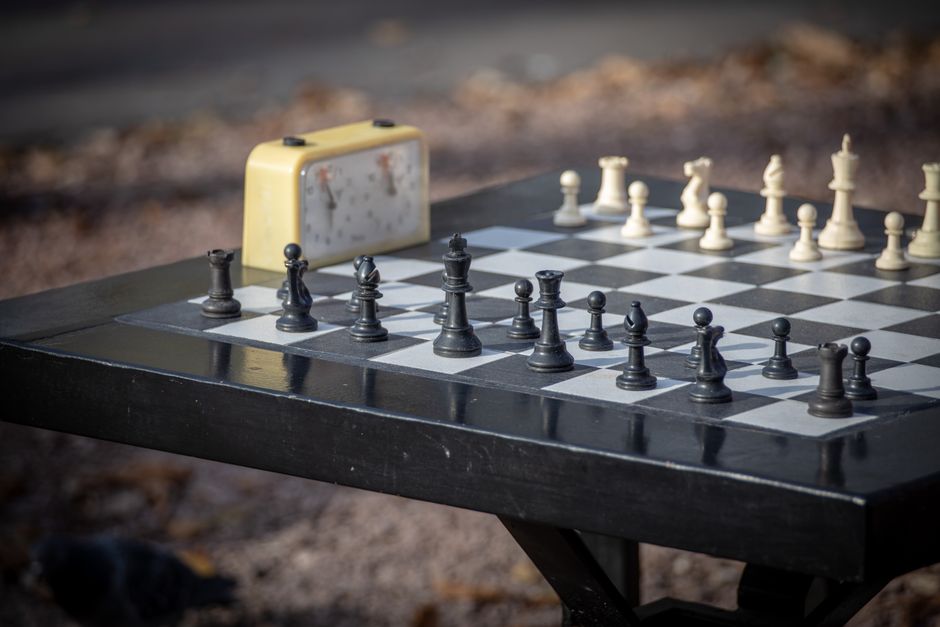
This is the section most hosts skip. When someone is explaining rules, the music should be at its lowest possible volume. Not off — silence makes people self-conscious — but low enough that the explainer’s voice is the only thing anyone hears clearly.
Here’s the practical execution. Before the first game, turn the music down to about 25% of your normal listening volume. Run the rules explanation. Ask the table if anyone missed a detail. If someone asks for a repeat, turn the music down another notch. The music is not the point during this phase. It’s a cushion against awkward silence, nothing more.
Once the game starts and people are taking turns, you can nudge the volume up slightly. Not much. Maybe 10% higher. The goal is to fill the gaps between turns, not to soundtrack the whole game.
Common Mistakes and When to Break the Rules
The biggest mistake is treating board game night like a dinner party. Dinner parties want lively music with personality. Board game nights want music that disappears. If your playlist makes someone say, “Oh, I love this song,” it’s already failed. That moment of recognition pulled them out of the game.
Another mistake: using video game soundtracks from games people know. The Skyrim soundtrack is beautiful, but if three people at the table have played the game, they’ll start talking about it. The music becomes a topic instead of a backdrop. Use soundtracks from games nobody has played, or better, use original ambient music.
There is one exception to the no-lyrics rule. If the group is playing a light party game — something like Just One or Wavelength — the cognitive load is low. No one is memorizing rules. In that case, a playlist with vocals at low volume can work. But keep it familiar. New music with lyrics is a distraction. Familiar music with lyrics fades into the background.
Final Verdict: Build the Playlist Like a Setlist
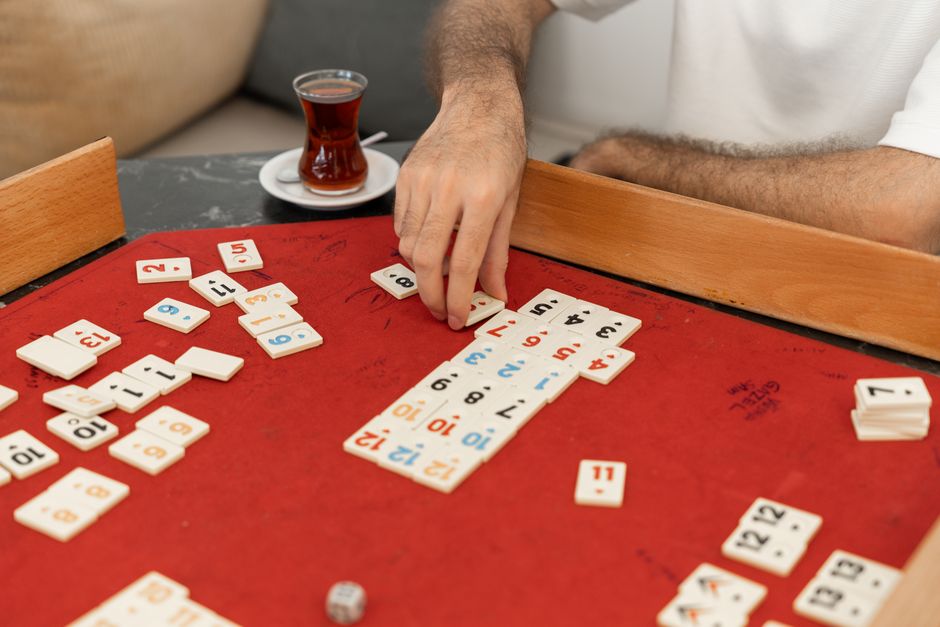
Here’s the thing most people don’t think about: a board game night playlist is a setlist, not a radio station. It has a beginning, a middle, and an end. The first hour should be the quietest — that’s when rules are being explained and people are settling in. The middle hours can have slightly more energy. The last hour, when people are tired and the game is dragging, needs a small boost in tempo to keep the table alive.
For most hosts, the easiest solution is a single Brian Eno album on repeat with the volume low. It works for every game type, never distracts, and requires zero curation. If you want more variety, build a three-hour playlist from the albums above and don’t shuffle it. Put the calmest tracks first, the most rhythmic tracks in the middle, and the warmest tracks at the end.
Board game night music isn’t about showing off your taste. It’s about creating a room where people can think, talk, and play for three hours without once noticing the music. That’s the win. The moment someone says “great playlist,” you’ve actually failed. The moment nobody mentions the music at all, you’ve nailed it.