
7 Local Rock Gig Myths That Waste Your Weeknight

The biggest mistake is assuming a famous band guarantees a great night. It does not. A packed room with bad sound, a late start and a brutal commute can turn a promising gig into an expensive Tuesday headache. The right local rock show gives you a strong band, a room that suits the music and enough time to get home without wrecking the next morning.

Use the room, ticket and timetable to screen a gig

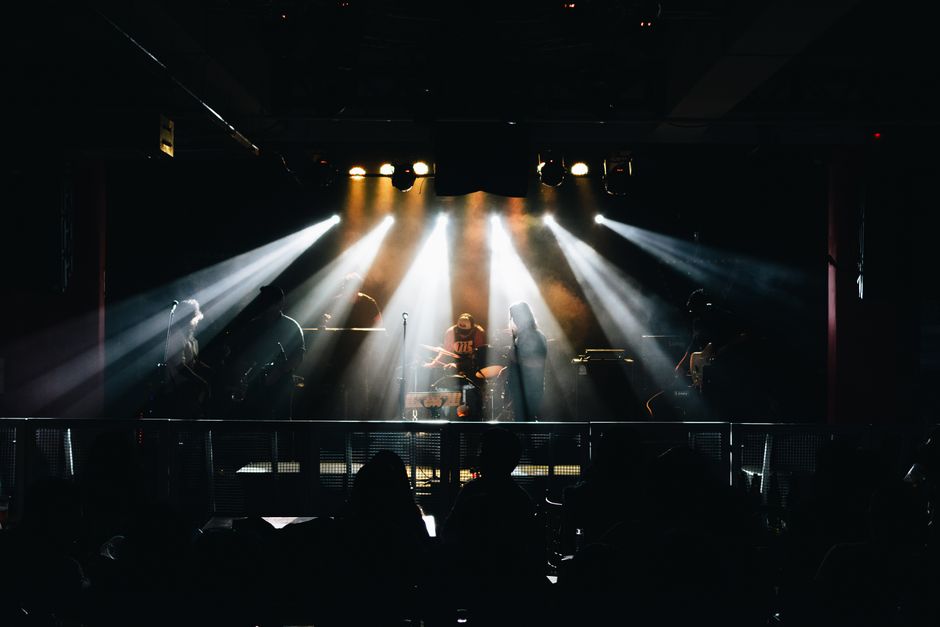
Energetic rock band performance with striking stage lights and silhouettes

A poster gives you names. A useful decision needs numbers. Use this quick screen before buying.

Gig factor Good weeknight target Warning sign Decision
Travel time 45 minutes each way or less More than 75 minutes after work Skip unless the band is a rare draw
Ticket price $15 to $35 before fees $50 or more for an untested local bill Demand a strong lineup
Doors and music Doors at 6:30, music by 7:30 First set after 9:00 Expect a late night
Room size 150 to 800 capacity Large room with weak advance sales Expect thin energy
Set length 35 to 60 minutes per band Four bands with no published times Allow for delays

Room size matters more than the venue logo

Small does not automatically mean good, but the 150-to-800-capacity range usually gives a developing rock band enough space to sound full without losing contact with the crowd. A huge room can work when the band has the production and audience to fill it. If the ticket is cheap because the promoter cannot sell the room, cheap seats will not fix the empty feeling.

Set a ticket ceiling before the excitement starts

For an ordinary Tuesday, $35 before fees is my ceiling for a local bill. Pay more for a band you already trust, a reunion that may not happen again or a venue with unusually good production. Do not pay premium money for mystery. Check the full checkout price, then add transport and one drink before calling the ticket affordable.

The real cost of a weeknight gig is time, not just money

People talk about ticket prices because they are printed in front of them. The bigger cost is the chain of small delays around the show. Leaving work late can mean missing the opener. A slow train can turn a 7:30 set into a 9:00 arrival. One drink becomes two because the band has not started, and suddenly the $25 ticket has become a $70 night with a tired commute attached.

Calculate the whole night before you buy

Use a simple formula: ticket, fees, transport, food, drinks and the next morning. A $20 show with $18 transport, $15 food and one $8 drink costs $61 before you count your time. That can still be excellent value, but only if the music earns it. If the same band plays a Saturday afternoon matinee for $18, the weeknight version needs a shorter journey or a stronger bill to win.

Read the schedule like a practical person

Doors time is not show time. Look for the first artist’s actual set time on the venue page or the band’s social feed. A 6:30 doors time with music at 7:30 is manageable. A 7:00 doors time with three bands may push the headliner past 10:00. That is not a problem on Friday. On Wednesday, it changes the purchase. Leave space for a late train, a queue at the door and a ten-minute support set that runs long.

Protect the part of the night that matters

Do not arrive exhausted and then blame the gig. Eat before you enter. Pick a sensible meeting point instead of crossing the city twice. Stand where the sound is balanced, usually several rows back and slightly off-center, rather than pressing against a wall beside one speaker. The best plan leaves enough energy to listen. A great band cannot overcome a night designed around rushing.

Five mistakes ruin otherwise good local shows
A vibrant live music concert in Lima, Peru, featuring musicians on stage with dramatic lighting

Most disappointing gigs fail before the first chord. Avoid these traps.

Use this pre-show mistake list

  • Buying from the poster alone. Read the venue page, set times and recent audience comments before paying.
  • Ignoring the opener. A weak or badly matched support slot can add an hour without adding value.
  • Standing beside the stage speaker. Loud is not the same as clear. Move toward the middle if the guitars turn into harsh noise.
  • Trusting a resale price. A local band rarely becomes three times better because a reseller marks up the ticket.
  • Arriving after the first song. Small rooms often have their best atmosphere before late arrivals take over the floor.
  • Assuming every crowd wants the same night. A seated songwriter room, a metal pit and a garage-rock bar require different expectations.
  • Forgetting the journey home. Check the last train or parking rules before you enter the venue.

The clear winner is the show that survives this list. If the ticket only looks attractive when you ignore the schedule, transport and room, it is not a bargain. It is a bad plan with a good poster.

Small rooms usually beat famous venues for new bands

Should I choose a 200-capacity club or a 1,500-capacity hall?

Choose the 200-capacity club when you are discovering a band. A smaller room gives you better odds of seeing the group before its set becomes locked to a large production. You hear the rhythm section more clearly, watch the musicians react to mistakes and stand close enough to notice how the songs work live. Choose the larger hall only when the band already has the songs, audience and production to fill it. A famous venue cannot create chemistry on its own.

When is a local support slot worth the trip?

It is worth the trip when the opener shares a clear sound with the headliner and gets at least 30 minutes. Search the support band before leaving. Listen to two songs, check one live clip and decide if the pairing has a reason. If the support act is a strong local band, the bill may be better value than a headline-only show. If nobody has published the set order, assume the night will run late and lower the ticket ceiling.

When should I stay home?

Stay home when the journey is difficult, the ticket is inflated and the timetable is vague. Also stay home when you are only attending because everyone else posted the flyer. Local music needs attention, not automatic loyalty. Spend the night with a record, a live session or a band you have been meaning to hear, then choose a better room next week.

Hearing protection is part of choosing the right room

Electric guitars on stage under colorful concert lights, capturing the vibrant music atmosphere

Rock should feel loud, but permanent ringing is not proof that you had a good time. The safest choice is to bring filtered hearing protection and keep it in your pocket before the first band starts. You can still hear guitars, vocals and cymbals, but the harsh edge comes down. This is practical preparation, not an attempt to make a club feel quiet.

Pick music-specific filters, not cheap foam alone

For a reusable option, the Loop Experience 2 is listed around $35 and reduces sound by roughly 17 dB. The Etymotic ER20XS usually costs about $25 and uses a 20 dB acoustic filter while keeping the sound fairly balanced. Alpine MusicSafe Pro sits near $35 and includes interchangeable filters around 16, 19 and 22 dB. Prices change, so treat those figures as rough 2026 street prices, not fixed promises. My pick for most rock gigs is the Etymotic ER20XS because it is inexpensive, compact and less likely to muffle vocals than basic foam plugs.

Know when not to buy another pair

Do not buy new earplugs for every show. If you already own a clean, comfortable pair with a published attenuation rating, use them. Do not use earbuds as hearing protection, and do not remove filters because the room feels exciting. If the sound hurts, step away from the speakers for ten minutes. The best gear is the pair you can wear for the whole set without adjusting every song.

Book the gig that gives the whole night a fair chance

Run the five-question booking test

Can you reach the room without rushing from work? Does the bill have one band you already trust and one act you want to discover? Is the full cost below the limit you set before seeing the poster? Does the room suit the music, with a stage, sound system and capacity that will help the band rather than swallow it? Can you get home without turning a two-hour show into a ruined morning? Four yes answers make the ticket sensible. Two or fewer mean the show is asking you to rescue it with optimism.

Choose the room before the hype

The right local rock gig is not necessarily the loudest listing, the biggest headliner or the most expensive ticket. It is the show where the venue, schedule, crowd and band point in the same direction. A Tuesday gig should feel compact, deliberate and easy to leave while you still want one more song. That is how local music becomes a habit instead of an occasional regret.

The best local rock gig is the one where the room, band and weeknight schedule work together before you buy the ticket.


Small Venue Gig Review: What 10 Small Venue Gigs Taught Me About Live Reviews

How to review sound in a difficult room

Energetic music concert with a vibrant crowd cheering under bright stage lights

A small venue gig review needs more than the sentence the band sounded good. That phrase hides the useful information. Sound has several separate jobs: the audience must understand the vocal, follow the rhythm, locate the main instrument, and feel enough low end to believe the performance without losing definition.

Start with the vocal, not the volume

For rock and songwriter sets, I listen for consonants first. Can the audience understand the chorus from the back wall? Does the vocal disappear when the guitars enter? Does the singer move toward the microphone for quiet lines and back away for loud ones?

A loud vocal is not automatically a clear vocal. Excessive upper-midrange can make words feel aggressive while still hiding the actual lyric. The best small-room mixes leave space around the singer. The kick drum can hit without swallowing the bass guitar, and the guitar can sound thick without covering every vocal phrase.

Use a repeatable listening route

Walk three positions during the first two songs: directly in front of the stage, halfway back, and near the side wall. Listen for changes in vocal level, bass buildup, and cymbal glare. The side wall often exposes problems that disappear in the center. A reviewer who stays in one spot may mistake a local sweet spot for a room-wide result.

Also separate band mistakes from system mistakes. A missed entrance belongs in the performance review. A vocal that vanishes only when the guitarist turns toward one monitor belongs in the sound review. That distinction keeps criticism fair and gives the reader something practical to learn.

The clearest verdict is this: if a listener can follow the song structure from the back of the room, the sound team has done its central job. A warm bass tone or wide stereo effect comes second.

What small gig reviews get wrong

Energetic night concert scene with a diverse crowd immersed in music under dynamic lights

The most common review mistake is treating every bad moment as a band problem. Small shows are systems. The promoter, room, soundcheck, set length, stage plot, and audience behavior all affect the result. A fair review should name the failure point instead of blaming the most visible person.

  1. Confusing loudness with impact. A guitar amp at maximum volume can make the front row uncomfortable while making the vocal harder to hear. Impact comes from contrast and control, not a permanent redline.
  2. Ignoring the changeover. A 35-minute gap after the opener can feel longer than a weak song. Review the transition. A clean cable handoff and a short stage reset protect the room’s mood.
  3. Overrating a familiar song. A crowd singing along can hide weak arrangement choices. Ask if the band created any fresh moment outside the known chorus.
  4. Judging from one position. The center-front spot may sound excellent while the back corner receives bass rumble and no vocal detail. Walk the room before making a broad claim.
  5. Penalizing honest roughness. Small venues reward risk. A cracked note inside a brave arrangement may matter less than a polished set with no emotional movement.

When not to blame the gear

Do not call a microphone poor because the singer keeps six inches away from it. Do not call a PA weak because the speakers sit behind the performers. Do not call a mixer confusing because nobody labeled the channels. These are setup failures, not proof that a product category has failed.

When not to buy a larger setup

A band playing 80-person rooms should not automatically buy a premium PA. Renting a QSC K12.2 pair for occasional dates may cost less than owning, storing, repairing, and transporting one. A venue with a capable house system may only require microphones, cables, and a clear input list. The smart choice is the smallest system that delivers intelligible sound with safety margin.

How to prepare a room before the first song

The best small venue nights are usually won before the audience hears the first chord. Preparation removes avoidable decisions from the most stressful part of the evening. It also gives the sound operator time to solve room problems before the crowd becomes part of the acoustic environment.

A practical pre-show sequence

  1. Confirm the stage plot, input list, set length, and changeover time 48 hours before the show.
  2. Arrive 90 minutes before doors for a three-piece band and at least two hours early for a five-piece band with keys, playback, or multiple guitar rigs.
  3. Place main speakers ahead of the vocal microphones and point them across the audience, not directly at the rear wall.
  4. Label every input and keep spare XLR cables, batteries, picks, strings, and a power strip within reach.
  5. Soundcheck the vocal at performance volume, then add instruments one at a time. Do not ask the whole band to play while the engineer guesses at each channel.
  6. Record 30 seconds from the back of the room. Listen for missing words, harsh cymbals, and bass that masks the kick.

Protect the audience experience

Keep the first song shorter if the room is still filling. Start with the strongest clear statement, not the song that needs five minutes of context. Put the most demanding arrangement after the audience understands the band’s core sound.

Room temperature and access matter too. A packed room with no air movement can turn an exciting set into a test of endurance. A single working restroom, visible exits, and a coat area may sound unrelated to music, but they decide how long people stay and how warmly they remember the night.

The practical verdict is firm: a 20-minute preparation checklist can improve a gig more than another $500 of equipment. Preparation protects attention, and attention is the scarce resource in a small room.

Questions readers ask after a small venue gig

How long should a small venue headliner set last?

For a new or local act, 35 to 50 minutes is usually the strongest range. It gives the band enough time to show contrast without exhausting a thin song list. A 75-minute set works when the band has enough distinct material and can vary tempo, volume, and arrangement. Adding covers to fill time often makes the set feel longer rather than fuller.

Should a reviewer mention ticket price?

Yes, but use it as context rather than a score. A $10 show with a focused 40-minute set can feel stronger than a $35 show with a late start and poor sightlines. Also mention common event costs when they affect value: venue fees may run from $150 to $500 for a small room, local ticket platforms can add roughly $1 to $4 per ticket plus a percentage fee, and a basic PA rental may cost $75 to $200 for a night. Those figures vary by city, so label them as ranges.

What makes a support act memorable?

A support act needs one clear identity within the first two songs. That can be a sharp rhythm section, unusual lyrics, a striking visual setup, or a singer who changes the room’s temperature. The opener does not need to sound like the headliner. In fact, contrast helps both sets.

How should I review a bad-sounding show fairly?

Describe the symptom, location, and likely cause. Say that the vocal disappeared near the back wall during the second song, not that the sound was terrible. Explain what improved, what stayed broken, and if the band adjusted its performance. Specific criticism gives musicians something they can fix and gives readers a reliable picture of the night.

Bottom Line: a useful gig review answers three questions: could the audience hear the music, did the set earn its length, and did the room give people a reason to stay engaged?

What the best small venue nights teach us

The best small venue gigs do not win through scale. They win through decisions. The band knows which songs deserve space. The sound operator protects the vocal. The promoter respects the changeover. The audience receives enough comfort to pay attention and enough surprise to remember the night.

The clearest standard for a reviewer

Judge the night as a chain of choices. Start with the room, then the sound, then the set, then the connection between performer and audience. A missed note should not outweigh a strong arc. A premium microphone should not rescue a careless arrangement. A crowded room should not receive automatic praise if the audience spent half the set looking for relief from the volume.

The strongest recommendation

For readers choosing which small shows to attend, prioritize rooms with consistent sound, short changeovers, visible local support, and bands that can hold attention without relying on a familiar chorus. For musicians, spend first on preparation, monitoring, and a clear set structure. Add equipment only after the same problem appears across several rooms.

A small venue is a pressure test. It exposes weak pacing, poor communication, and careless volume, but it also rewards directness faster than a large stage can. In 2026, as more artists build audiences through intimate live dates, the most valuable gig reviews will focus less on hype and more on the choices that made a room listen. That is where the future of live music remains most visible: close enough to hear the flaws, and close enough to feel the work behind the song.