
You have been saving playlists for years. You have a specific tone in your head—maybe it is the glassy clean of a Fender Twin or the broken-glass crunch of a Marshall stack. Now you are standing in a guitar shop or scrolling a retailer site, and everything looks the same.
Here is the secret nobody tells you: the guitar you buy first is not the guitar you will play forever. It is the instrument that either keeps you practicing for the next 18 months or turns into a dusty decoration in the corner of your bedroom.
I have bought, sold, traded, and broken enough cheap guitars to fill a small rehearsal room. The difference between a good first guitar and a bad one has almost nothing to do with brand loyalty. It has everything to do with physics, setup, and honesty about the music you actually listen to.
The Three Body Types That Actually Matter (And One You Should Skip)
Electric guitars come in a few basic shapes. The shape is not just cosmetic. It changes how the guitar sits against your ribs, how heavy it feels after 45 minutes of standing, and how easily you can reach the upper frets.
Solid Body: The Default Choice
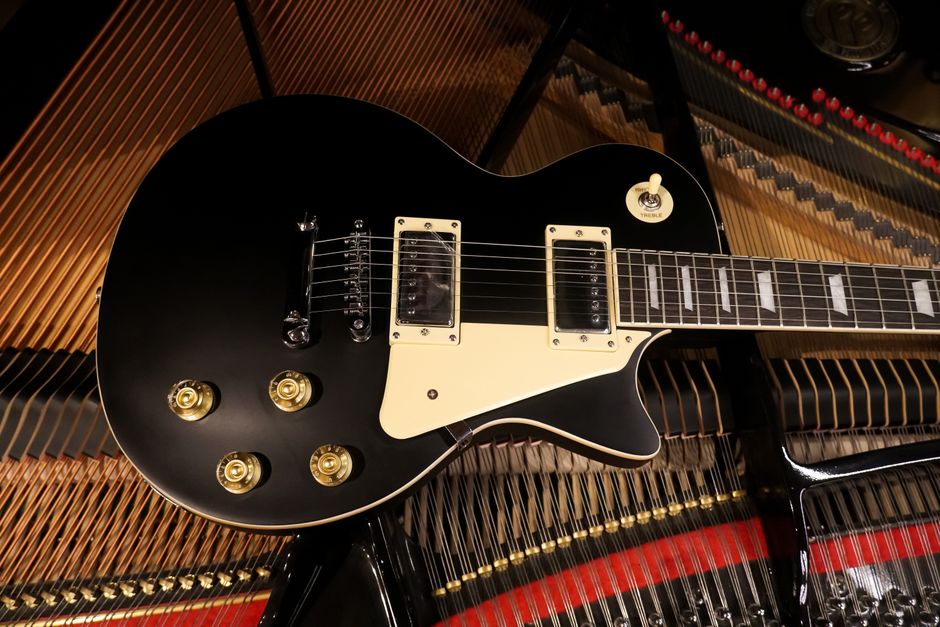
Solid slabs of wood with no hollow chambers. The Squier Sonic Stratocaster ($199) and the Epiphone Les Paul Special ($179) are the two most common starting points. These are reliable, easy to repair, and hold their tuning well enough for practice. If you do not know what to buy, buy a solid body. The Stratocaster shape has a contoured belly cut and forearm bevel that makes it comfortable for long practice sessions. The Les Paul shape is heavier and thicker, which some players love and others find exhausting.
Semi-Hollow Body: For the Jazz and Indie Crowd
Guitars like the Ibanez Artcore AS53 ($249) have a center block of wood with hollow wings. They produce a rounder, more acoustic-leaning tone. They feedback more easily at high volume, which is either a feature or a bug depending on your genre. For bedroom practice and lo-fi recording, they are lovely. For a first guitar, they are slightly more fragile and harder to set up. I would only recommend this if you specifically listen to jazz, neo-soul, or clean indie rock.
Offset Body: The Cool Factor
Think Fender Jazzmaster or Mustang shapes. The Squier Sonic Mustang ($199) is a fantastic first guitar because of its shorter 24-inch scale length. That means the frets are closer together, which makes stretching for chords easier for smaller hands. Offsets have a cult following in shoegaze and indie circles. They look great in photos. They feel different. They are not better or worse—just different.
Skip the Floating Tremolo for Now
Any guitar with a Floyd Rose or floating bridge system is a mistake for a first instrument. Changing strings on those takes 45 minutes and a YouTube tutorial. Restringing a hardtail or a simple vintage-style tremolo takes 10 minutes. You want to spend your first year playing, not fighting a locking nut.
A Quick Comparison of Common First Guitars in 2026
These are the guitars I see most often in the hands of new players who stick with it. Prices are approximate street prices in early 2026.
| Guitar | Price | Scale Length | Pickup Type | Best For | Watch Out For |
|---|---|---|---|---|---|
| Squier Sonic Stratocaster | $199 | 25.5″ | 3 single-coils | Indie, pop, classic rock | Hum at high gain |
| Epiphone Les Paul Special | $179 | 24.75″ | 2 P-90s | Punk, grunge, blues | Heavy body |
| Yamaha Pacifica 112V | $329 | 25.5″ | Humbucker + 2 single-coils | Versatile all-rounder | Price creep |
| Ibanez GRX70QA | $249 | 25.5″ | 2 humbuckers + 1 single-coil | Metal, hard rock | Thin neck not for everyone |
| Squier Sonic Mustang | $199 | 24″ | 2 single-coils | Small hands, indie | Short scale feels cramped for big hands |
The Yamaha Pacifica 112V is the sleeper pick here. It costs more than the Squiers, but the fretwork and setup out of the box are consistently better. If you have $330 instead of $200, buy the Pacifica. If you have exactly $200, buy the Squier Sonic Stratocaster and spend the remaining $30 on a professional setup.
The Setup Is More Important Than the Brand
A $200 guitar with a proper setup plays better than an $800 guitar that has never been adjusted. This is not an exaggeration. The most common reason new players quit is not lack of talent. It is fighting a guitar with high action—strings sitting too far off the fretboard—which makes every chord feel like a workout.
When you buy a guitar, budget $40 to $80 for a professional setup. A good tech will adjust the truss rod, file the nut slots, set the string height, and intonate the bridge. The result is a guitar that plays in tune up the neck and does not buzz or fight you.
If you buy from a local shop, ask if they include a setup with purchase. Many do. If you buy online, factor the setup cost into your budget. The guitar arrives in a box with strings that have been loosened for shipping. It will not play its best out of the box.
Skip the setup and you will spend months thinking you are bad at guitar. You are not. You are playing a poorly adjusted instrument.
Pickups Decide Your Sound More Than Wood

Single-coil pickups sound bright, clear, and slightly thin. They hum at high volume. Humbuckers sound warmer, thicker, and quieter. They are better for heavy distortion.
Here is the practical rule: listen to the guitarists you love. If you love The Smiths, Alvvays, or early Radiohead, get single-coils. If you love Black Sabbath, Metallica, or anything with thick palm-muted chugs, get humbuckers. If you genuinely do not know, get a guitar with a humbucker in the bridge position and a single-coil in the neck, like the Yamaha Pacifica 112V or the Ibanez GRX70QA. That configuration covers the most ground.
Do not buy a guitar because a famous player uses it. Buy the pickup configuration that matches the music you actually play at home. Not the music you wish you played.
Common Mistakes That Turn First Guitars Into Wall Art
- Buying a guitar too cheap to hold tune. Guitars under $120 often have tuning machines that slip and bridges that rattle. You will spend more time tuning than playing. The floor for a playable new electric guitar in 2026 is around $180.
- Buying a guitar with a floating tremolo. As covered above, this is a setup nightmare for a beginner. Hardtail or vintage tremolo only.
- Ignoring the amp budget. An electric guitar without an amp sounds thin and uninspiring. Budget at least $100 for a practice amp like the Fender Frontman 10G ($79) or the Blackstar Fly 3 ($79).
- Choosing a guitar by color alone. Looks matter for motivation, but not more than playability. A guitar that looks cool on the wall and hurts your hands will not get played.
- Skipping the setup. Already covered, but it bears repeating. This is the single biggest predictor of whether you stick with the instrument.
When Not to Buy an Electric Guitar at All

If you live in an apartment with thin walls and have no headphones, an electric guitar through a small amp can still annoy neighbors. In that case, consider a headphone amp like the Fender Mustang Micro ($119) instead of a traditional practice amp. It plugs directly into the guitar and delivers amp models through earbuds. No speaker, no noise complaints.
If you are not sure you will stick with guitar, do not spend $500 on a first instrument. Buy the Squier Sonic Stratocaster, get a setup, and put the remaining cash toward lessons or a decent cable. A $10 cable will crackle and cut out within months. Spend $20 on a braided cable from a brand like Ernie Ball or D’Addario.
If you have small hands or are buying for a child, get the Squier Sonic Mustang. The shorter scale length genuinely makes chords easier. Do not buy a full-size guitar and hope they grow into it. They will quit first.
The electric guitar market in 2026 is crowded with good options under $350. The hard part is not finding a good guitar. The hard part is avoiding the traps that make you want to quit. Buy a solid body with the right pickups, pay for a setup, and spend the next year learning songs you love. The gear matters less than the hours you put in.
The best first guitar is the one that stays in tune, feels comfortable, and makes you want to pick it up every day. Everything else is marketing.